Author

James Lewis

Browsing

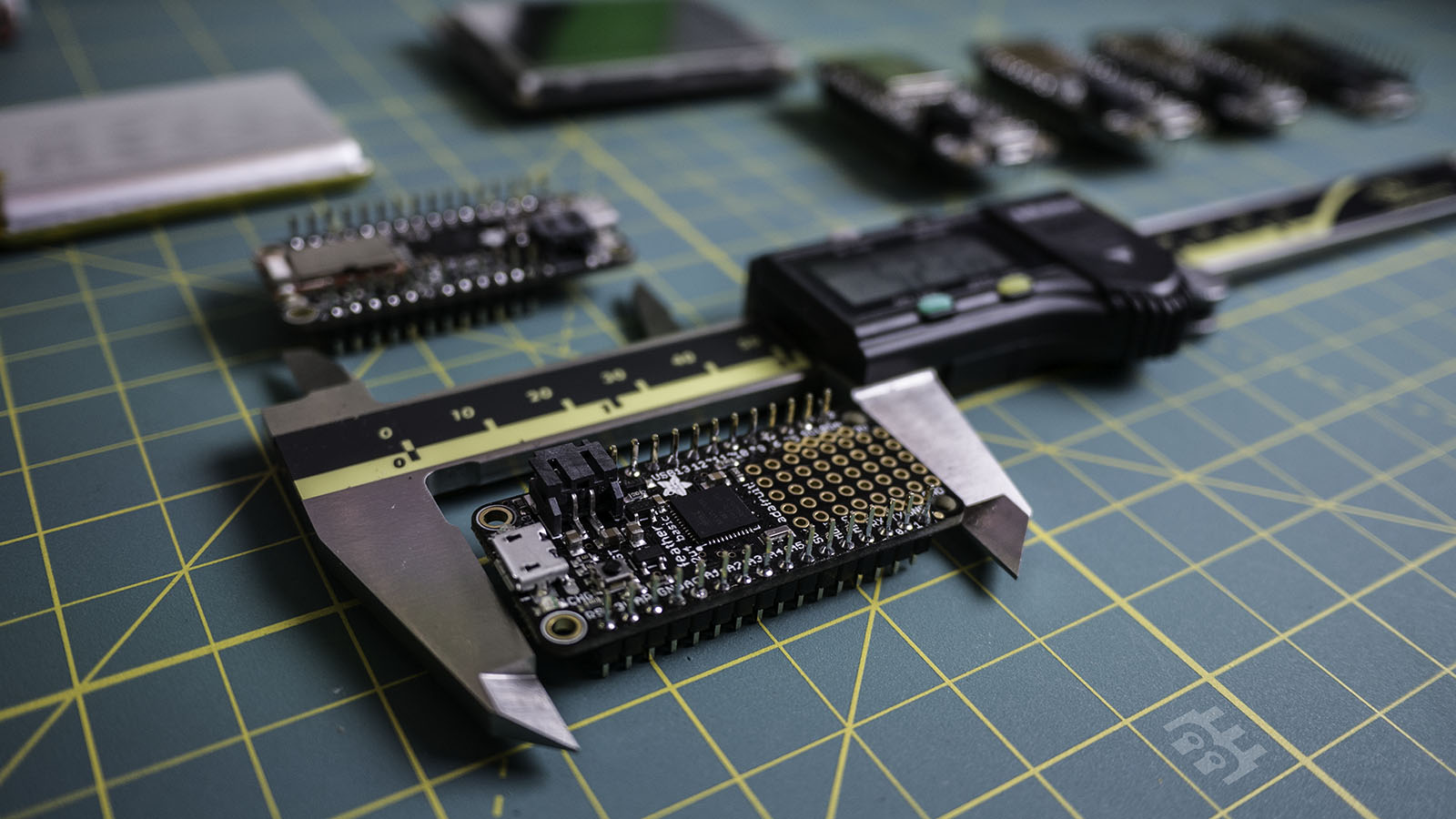
Four days ago, I found out I needed to make a piece of a costume. The idea was to combine a TFT LCD with a microcontroller and Bluetooth Low Energy. I checked my microcontroller bin and found some Adafruit Feather Boards. In this post, I will introduce the feather family and provide a decision chart for choosing the right one for your project.
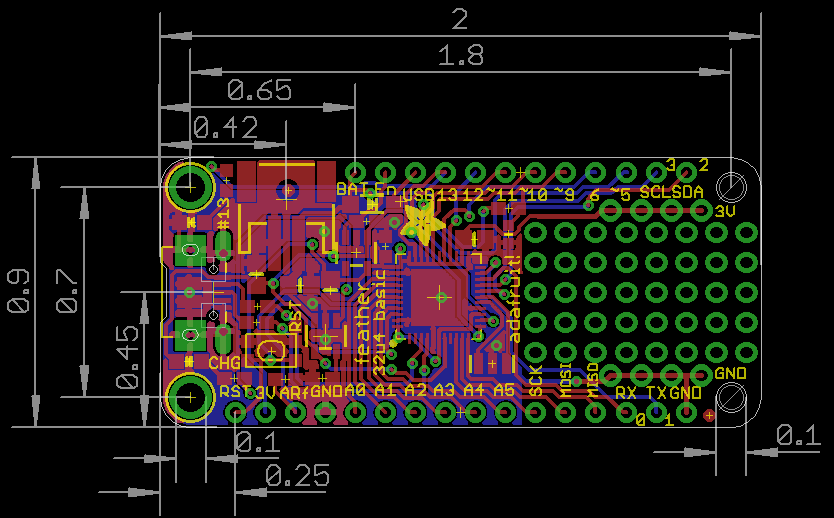
adafruit-feather-layout
Image from Adafruit Learning System

The Feather board have a standard footprint and pinout. Most(All?) have a USB connector, a microcontroller, two rows of pins, and a battery charger. They measure 50.80 by 22.86 mm, which is 2.0 by 0.9 inches.
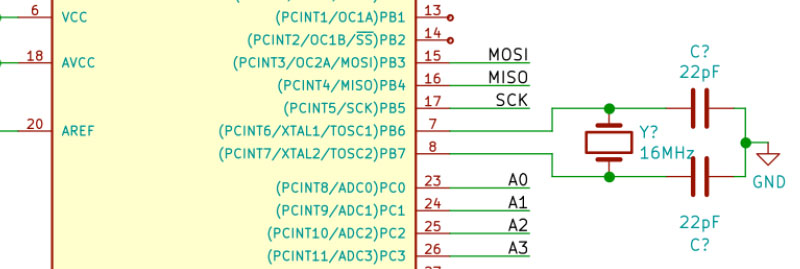
One of the last significant steps in a project is designing the custom PCB. This stage means creating a DIY Arduino board that is custom to the application. Two examples of my past projects are BinBoo, a Binary Clock, and Open Vapors, my reflow oven controller.

While working on a project for a friend, I got to thinking; it would be nice to have a checklist for circuit elements to include on a DIY Arduino board. In the early days, I forgot to add a filter cap to AREF, for example.

These tips are based on an 8-bit AVR design, like the ATmega328p chip. You could apply these tips to other 8-bit AVRs. Until now, I have not designed a custom board around a 32-Bit/ARM board. Though at only $16, I would be tempted to just solder the Teensy module directly to my finished board.

Below is a written list of items for a DIY Arduino checklist. If you’d like to see me design this board in KiCad, check out this AddOhms Tutorial.

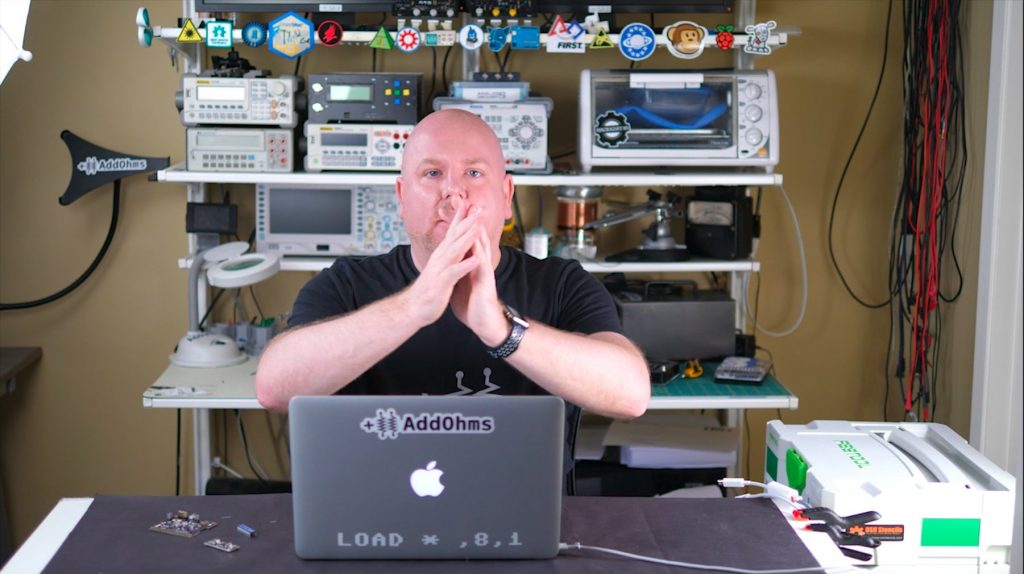
Bald Engineering Praying

The next AddOhms Tutorial is how to design a DIY Arduino board. What are the elements you need to include in your own circuit design? While editing the video, I ended up on this frame. It looked to me like I was praying. (At one point I was having serious technical issues with my equipment. But it is unrelated to that frame!) On Twitter, my friend Philip had a different take.

You bring the two hemispheres of Plutonium together like this, and then a short while later...

What caption comes to mind when you see this picture? Leave a comment with yours.

Op-Amp Question

If you can’t think of a caption, maybe you can help with a different question. What your favorite LM741 op amp alternative? I’ve been working on some tutorials and videos on op-amps. I’d like to incorporate something other than the old stand-by.

As 2017 comes to a close, I looked back to see what readers made the most popular. It was an exciting year. The Arduino family came back together, Adafruit trolled the internet with rumors of a RadioShack buy out, and for me, I changed jobs.

Project wise I got my RetroPie SNES build completed, using an old Super Famicom case. This case is one I bought in Japan for 500 yen (about $5.) This work also led me to discuss voltage divider circuits. And I looked at a couple of scopes.

In case you missed it, here is what you as a reader found interesting over the past year.