Category

Blog

Category

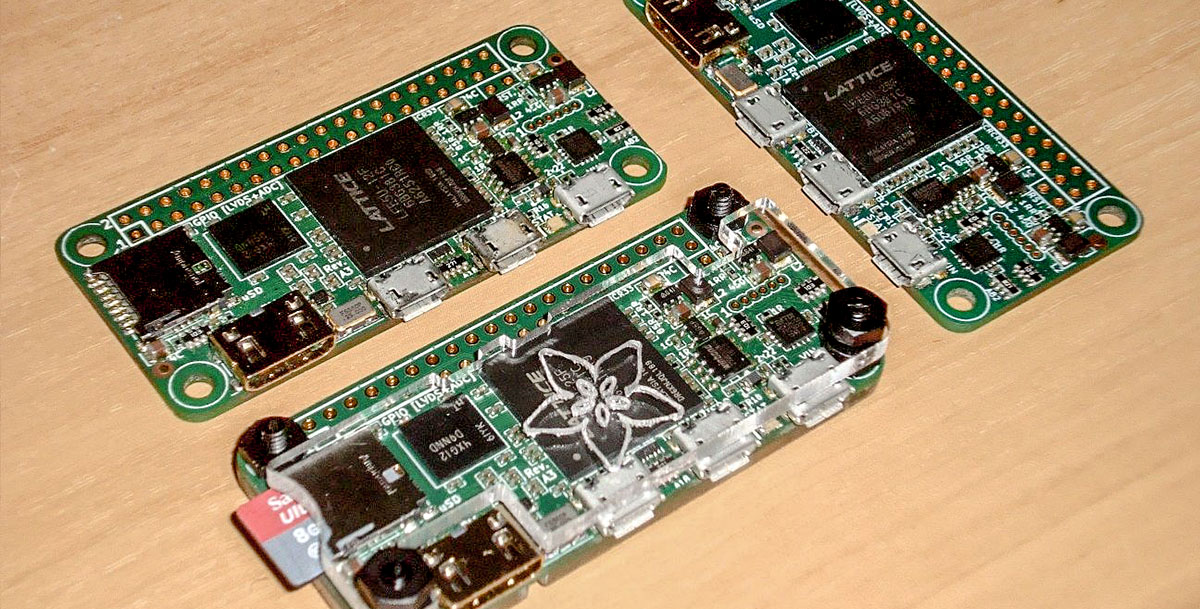
Previously,  I wrote a FleaFPGA Introduction. This board was about the size of an Arduino Uno with some GPIO pins, a VGA, USB, SD Card, PS2 Style Port, and a USB Host connector. At the time, the Lattice Mach XO2 provided the base logic. It found some success in the emulation community (*cough* x86 *cough*.) Unlike software emulators, the FPGA emulates the actual digital logic of classic computer ICs. Also known as ASICs.

Fast forward to today, well, this week. Valentin Angelovski is at it again, but this time, with a new and improved board the size of a Raspberry Pi Zero. He’s launched an Indiegogo Campaign for the FleaFPGA Ohm. For $45 (plus a bit for shipping) you can reserve your spot for when these start shipping early next year.

As you might have noticed, I don’t often promote or comment on crowdfunded projects. My experience with crowdfunded projects has not been positive. So what makes the FleaFPGA Ohm different? Well first, I know Valentin well. Granted distance has kept us from meeting face-to-face, we talk at least once a week on IRC. I’ve been eagerly watching his progress with the FleaFPGA Ohm. Second, this isn’t his first hardware project. He’s already sold many of the original FleaFPGA boards. While there is always a risk with crowdfunded campaigns, I think the risk here is minimal–and worthwhile.

If you’re interested in advancing your hardware hacking game, FPGAs are the next step. And I think the FleaFPGA Ohm is a serious option to consider. Since you might be new to FPGAs or Valetin’s projects, I sat down to interview him for this project. (Okay, it was Google Docs, but these questions and answers are real!)

Before continuing, in disclosure, I have backed this project. However, no other endorsement or paid promotion has happened. Below here are actual answers from Valentin to questions I asked (and had.)

Back FleaFPGA Ohm on Indiegogo
TI AN-31 Torn Paper

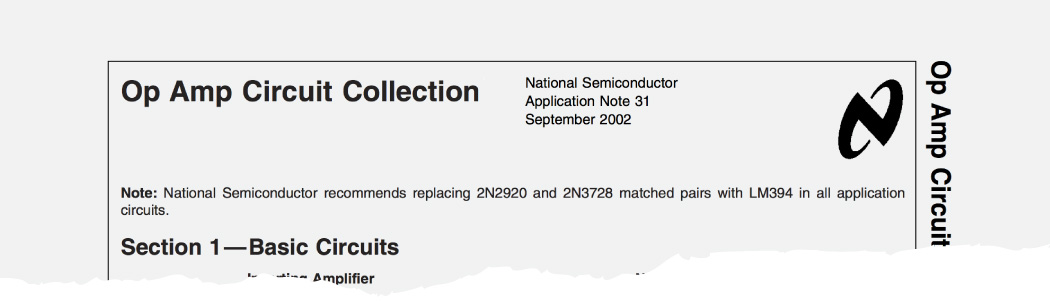
Op amps are one of the most versatile ICs in electronics. A purely analog device, they can be used for amplification, summing, integration, and a whole host of other circuits. AN-31 from Texas Instruments is 32 pages of op amp circuits. (Note: this document was created before TI acquired National Semiconductor.)

Even more amazing is that the author is Bob Pease. If you never heard of Mr. Pease, please spend a few minutes right now reading this TI page dedicated to him. His contributions to electronics are nearly immeasurable. (Sadly, he was involved in a car accident after attending the funeral of his equally famous engineering friend, Jim Williams.)

Download AN-31 from TI

(Mirror)

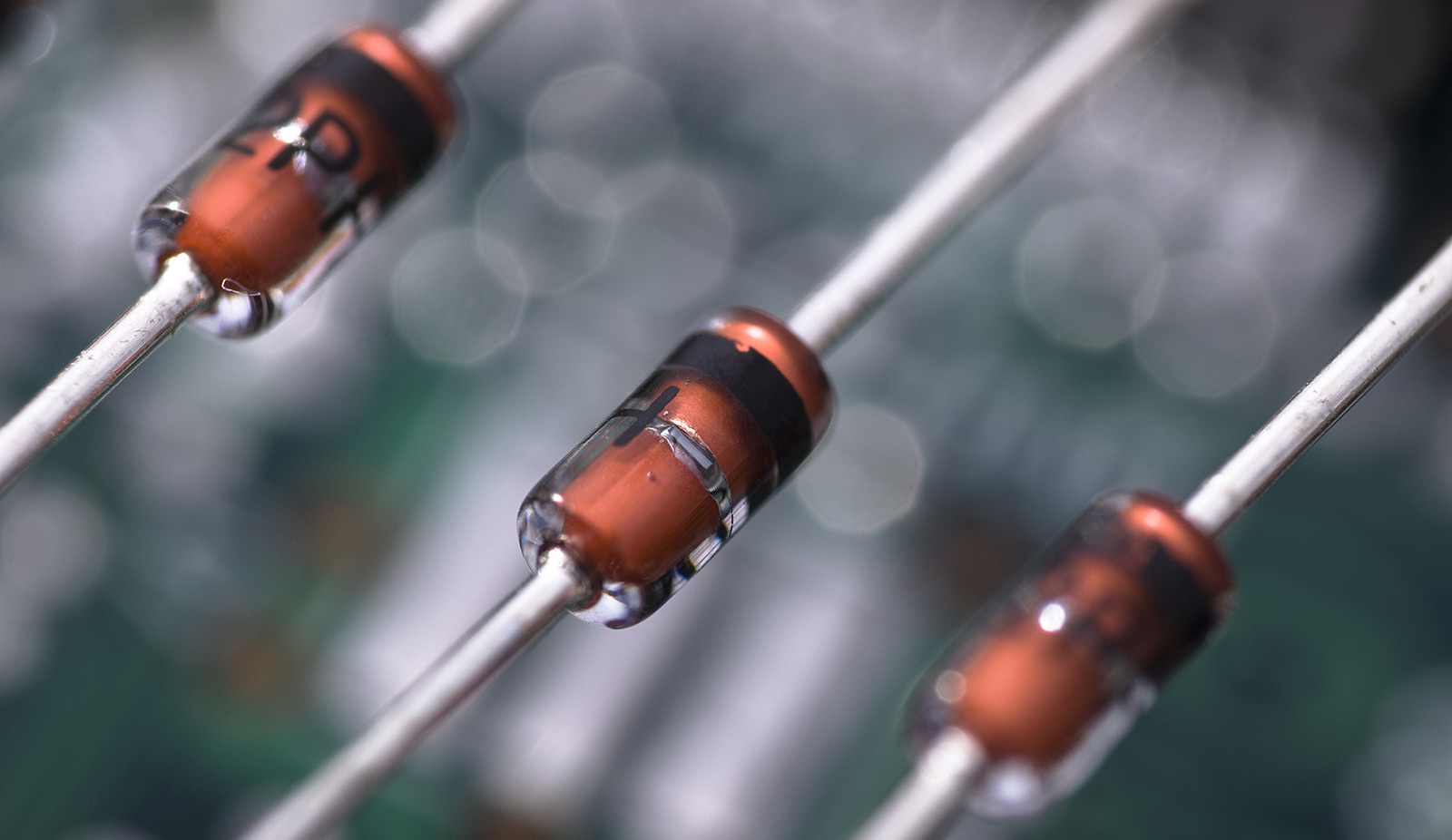
The Zener diode is often used to create a reference voltage. In tutorials and even college texts, there are mentions of creating a Zener diode based regulator. The idea is that the Zener maintains a known voltage drop. The problem is that current matters. This post looks a quick Zener diode overview and shows what happened when I tried to power a microcontroller using a “Zener diode regulator.”

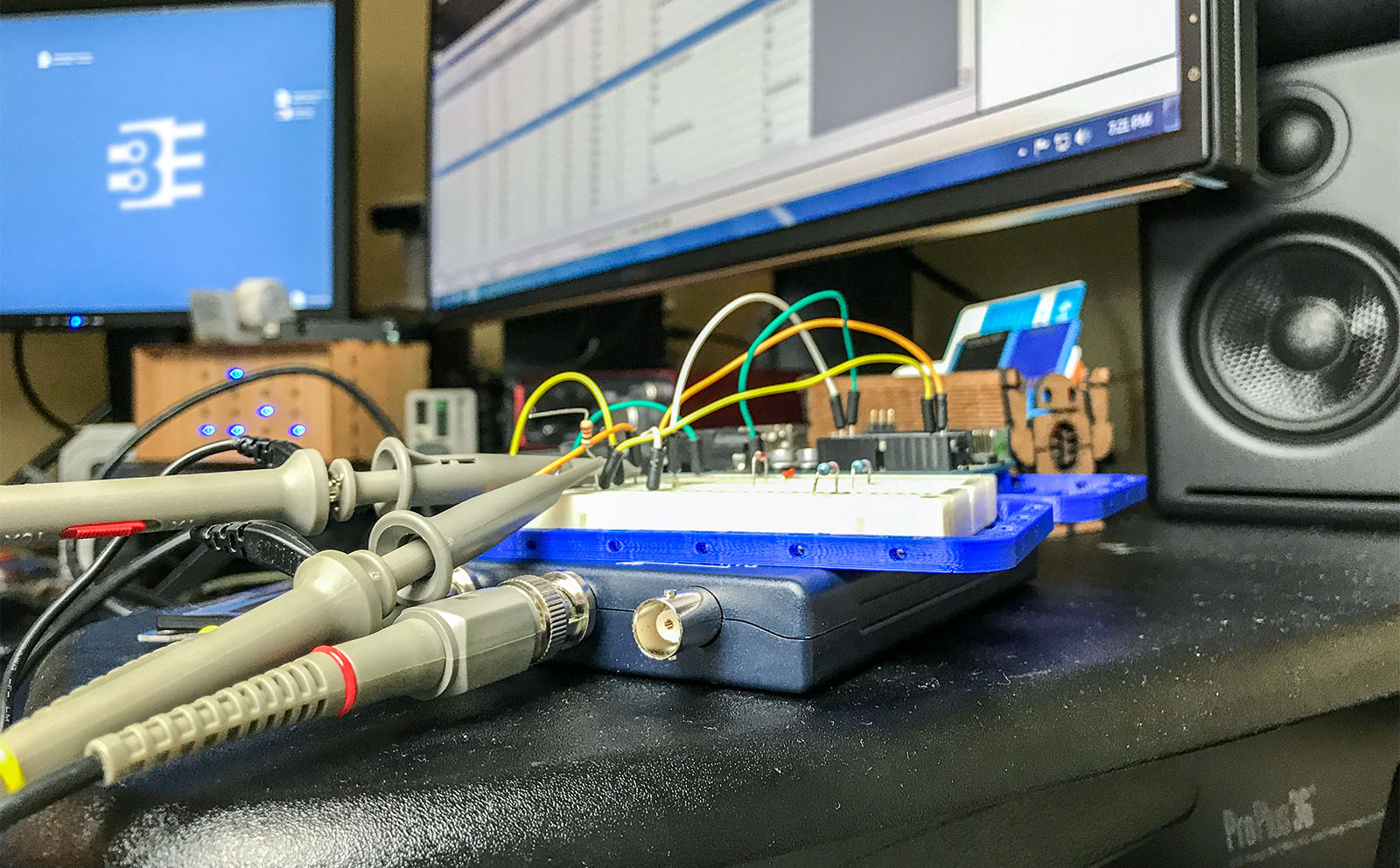
If you need a reason to be an Element 14 member, let me suggest their Road Test program. Companies partner with Element14 to get people to try out their gear. A couple of years ago I got a new microcontroller board. This week I received a new test instrument. Here’s my hands-on Picoscope 2204 review.

The scope is bus powered. With the BNCs and type-B USB connector, it is slightly larger than an external USB hard drive. There is not much weight to the device. It does not feel cheap, just lighter than I expected.

Getting the scope up and running is a breeze. Pico Tech included a CD (or DVD?) to install the software, but I could not find my drive to check it out. Software downloads from Pico Tech’s website work great. It looks like you can even download the software and use it in “Demo mode” if you are curious how it works–without purchasing anything.

Hey Newsletter Readers: Looking for Best Resistor Sorting Method? My Bad!
Here are some ideas of what you can do with the humble voltage divider. This elementary circuit has a few inventive uses. To be upfront, one of these uses is NOT as a voltage regulator. If you need a voltage regulated, get a voltage regulator! At some point or another, I’ve built all five of these voltage divider circuits. For me, the voltage level shifter is the most common.

  1. Measure Battery Voltage
  2. Signal Level Shifter
  3. Reference Voltage
  4. R-2R Ladder
  5. One Analog Input with Many Buttons