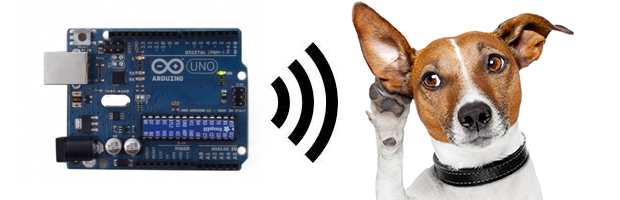
When most people say “Arduino” they mean an ATmega328 based board like the Uno. This means a simple 8-bit microcontroller with only 2K of RAM. That’s 2,048 bytes of memory to work with. So when someone asked me if the Arduino could do speech recognition, to be honest, I laughed. Then my jaw dropped when I saw µSpeech. A speech recognition library for the Arduino Uno’s ATmega328.
There is one mistake that all C programmers make, regardless of experience. You’ll do it often when you get started, but never completely stop. The mistake? Confusing the “assignment” operator with the “comparison” operator. Take a look at this line of code:
[cpp] if (something = 0) {[/cpp]
Notice the problem? If not, then you might fall into this common trap. The most annoying part? A C-Compiler won’t give an error. That code is legal C. Legal code doesn’t mean you’ll get the results you expect. In fact, this is probably not even close to what you wanted. This simple mistake and why it “works” is explained below.
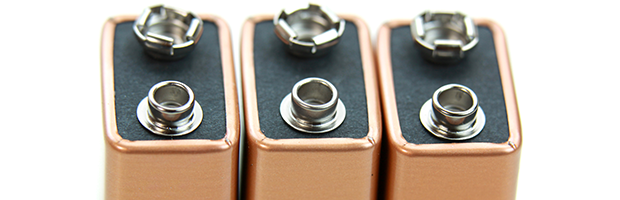
Smoke detectors beep when their backup battery dies, which always seems to occur in the middle of the night (at least for me.) These backup batteries are usually a small rectangular 9V. They have become popular choices for electronics projects. If you need your Arduino project to last longer than a day, this isn’t the battery you want to use. Here’s why.
The idea for AddOhms #8 has been around for quite some time. I’m always trying to find ways to explain why current limiting resistors are necessary. So while working in the shop one day, I decided to play with some LEDs and a bench-power supply. Then I decided to record what happens.