Author

James Lewis

Browsing

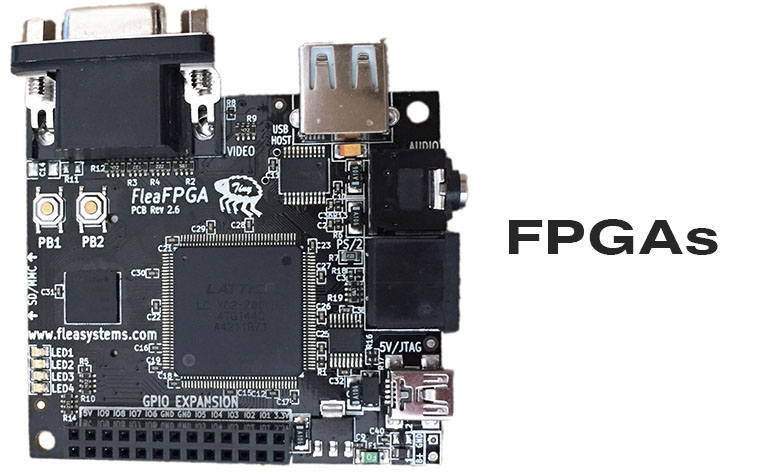
Can’t find the digital chip you need on Mouser or just wish you could make it yourself? With the FleaFPGA board, you can! As a college freshman, we heard rumors of a custom Integrated Circuit (IC) class. Surely what had to be a senior level class, I couldn’t wait until I understood electrical engineering enough that I got to make my own IC!

Two years passed, I was learning Verilog and VHDL in a class titled “Complex Programmable Logic Devices.” In short, CPLD. Those devices were the precursors to today’s modern FPGA devices.

In short, FPGAs, allow you to create your own IC with “software.” The best part? You can quickly reprogram that to fix bugs, add features, or operate completely differently just as fast as you can flash a new sketch into an Arduino Uno.

Introducing the FleaFPGA, a fully functional FPGA board perfect for beginners or veteran chip designers ready to create “chips” on their own.
Acrylic difference between cast and extruded One of the most popular materials to use with a laser cutter is acrylic. Head over to buy some acrylic from Inventables and you’ll see options for “extruded” or “cast” types. Not sure what that means?

This Make Skill Builder on Acrylic gives the basics on the material. You’ll understand the differences between the two: especially important if you plan to mill or laser cut it. Additionally, there are tips for bending, shaping, and gluing acrylic.

Check out the Acrylic Cheat Sheet on Make.

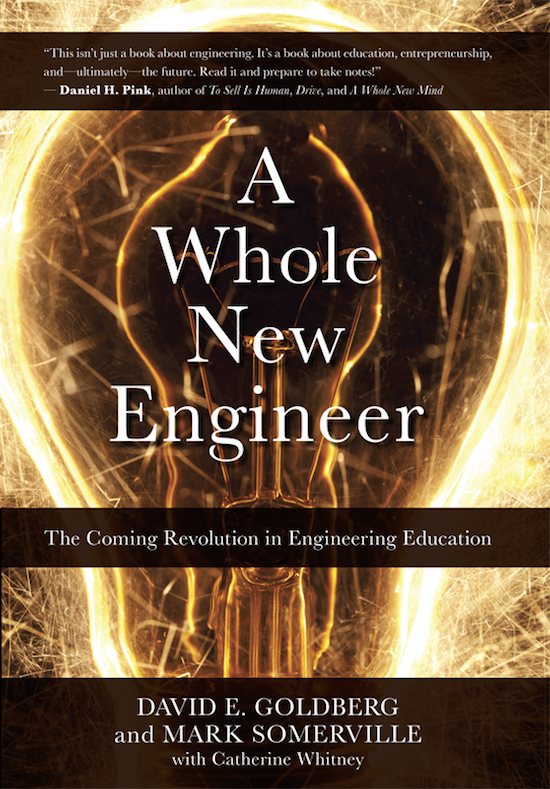
A couple of weeks ago I was invited to join The Engineering Commons podcast to talk about capacitors on episode 93. I had been a listener of the podcast because I heard about it in this book. A Whole New Engineer looks at the changes are needed in engineering education. My personal interest was to see if there were elements I could apply to the AddOhms Electronics Tutorials I create. Like all aspects of our lives, evoluation is occuring and educaiton is no different. On top of that, traditional education techniques rarely prepare students for live after school.

The traditional weed-out lecture courses and stand-alone research projects are a thing of the past.

The stories about Olin College of Engineering were eye opening. Thinking back to my time at Purdue, I wished I could have been at the foundation of a new curriculum (though, I’m glad I had the one I did.) My eye opener with the Olin example is how it is analogous to the “real world.” Traditional engineering education silos instructor from the student, in much the same way large corporations silo work functions. The idea of breaking down those silos between Instructor (manager) and Student (employee) to achieve an overall goal is very progressive and based on the research provided, rewarding.

Whether you are involved in engineering education or, like me, just have passion for sharing it–I highly recommend this excellent book. Whether if you’re writing tutorials, creating a classroom, putting together a workshop, or even helping out with STEM, there are key tidbits you will pull from this book.

Check out A Whole New Engineer on Amazon.

inside a laser diode
via Make:

One of the most versatile tools in a shop or makerspace is a laser cutter. The recently funded Glowforge makes having one in your garage a possibility.

With so much exciting around laser cutters, you might be wonder what is a laser anyway? There are two primary laser types: Gas and Diode.  Jordan Bunker goes into detail in the Make: Skill Builder article, about the difference.

The pictures and diagrams alone are worth the look. The diagram on how a laser diode emits light is one of my favorites. (Actually, I think it is a good general purpose “led/diode diagram.”

Check out “Learn the Difference: Gas and Diode Lasers,” via Make.

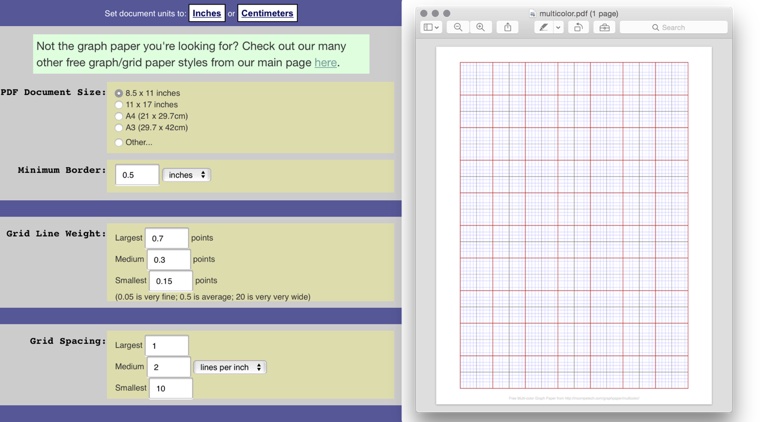
diy graph paper generator

Ever need graph paper for a project, but can’t wait for Amazon Prime? No problem, this free online tool lets you generate graph paper on the fly. Multiple types of graph lines are available and each are fully configurable. Once done, you get a clean PDF of graph paper to print.

Here’s a short run-down of the graph paper types available:

  • Squares
  • Triangle and Hexagons
  • Circular and Polar (Think Smith Chart)
  • Asymmetric
  • Note Taking

Check out the free graph paper generator at incompetech.com.