Author

James Lewis

Browsing

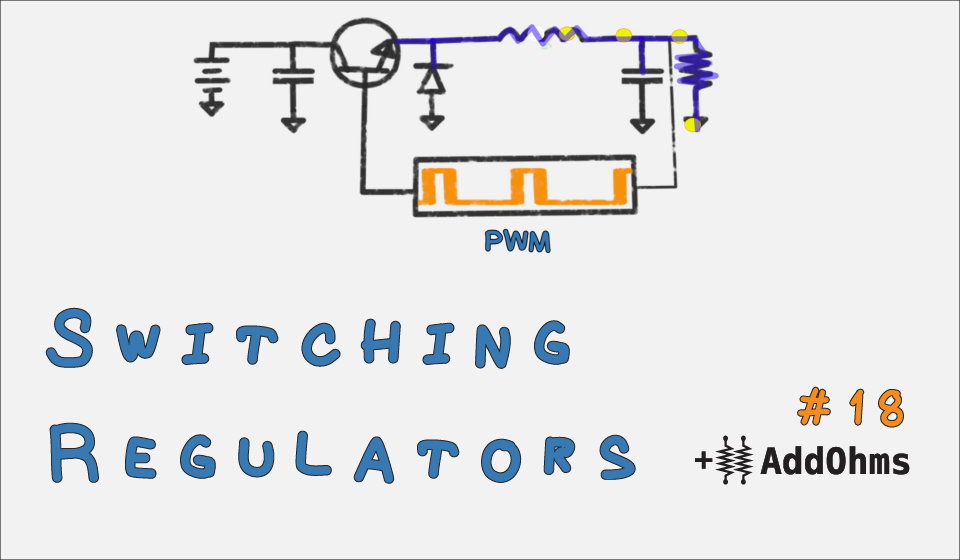
A switching voltage regulator is one of my favorite circuits. In school, they were the first circuits I built where I understood how transistors worked. In fact, they were the first circuit I saw an inductor being useful! Switching regulators are incredibly efficient when designed properly. Of course, this detail about design is important. They are not as simple as a linear regulator, which is basically an IC and two caps.

To understand the basics of a switching regulator, I released AddOhms #18 this week. This is video tutorial dedicated the Switching Voltage Regulator. If video tutorials aren’t your thing, then keep reading for my written tutorial.


This past weekend Arduino fans celebrated Arduino and Genuino Day 2016. In classrooms, maker spaces, and impromptu meet-ups around the world enginerds got together to learn and create with Arduino. At the Jacobs Institute for Design Innovation on Berkeley’s Campus, I first heard that Arduino Create had been launched.

In addition to hands-on learning workshops, there was a display of Arduino/Genuino projects by students. In the afternoon, three Arduino co-founders gave a short talk. David Mellis spoke on Machine Learning. Tom Igoe did his first talk on Technology and Humanities. Lastly, Massimo Banzi talked about IoT.

Arduino Day, Mellis, Igoe, Banzi

Massimo’s IoT discussion related to the earlier announcement that day of Arduino Create. This new platform has a web-based IDE, Arduino Project Hub, and Arduino IoT.

Excited about the announcements, I spent some time with the hackster.io powered Arduino Project Hub and the Arduino IoT.  Here’s my hands-on with Arduino Create.

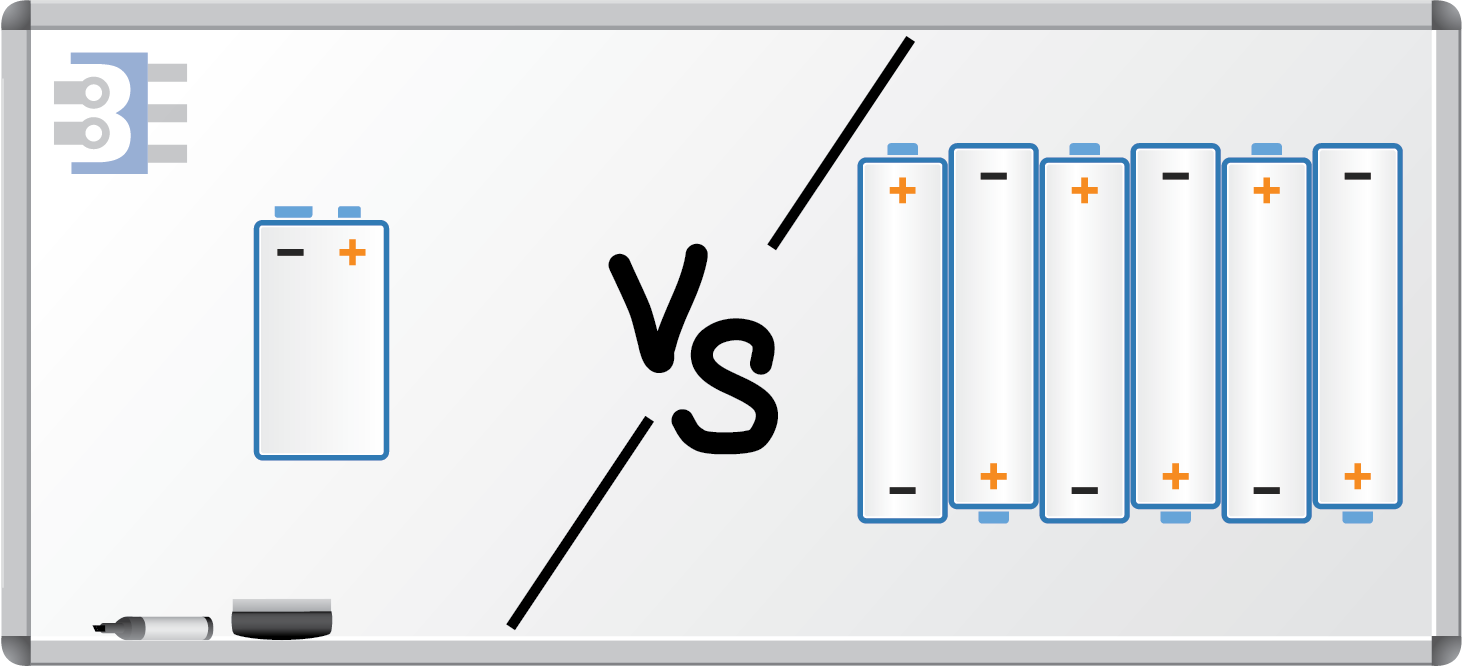
Previously I wrote up why the 9V battery sucks. As I thought more about that post, I realized, I never explained how much energy is in a 9 V battery versus say a couple of AA batteries.

For this post, I am going to break down the energy stored in a 9 V battery, the small rectangular kind and compare it to what you get with 6 AA batteries. Yes, it takes up a little more space, but you might be surprised by the difference.

innovators-isaacsonReading a blog post like this one is something we all do multiple times a day. As early as 20 years ago, such a concept was still entirely unknown to the rest of the world. Walter Isaacson’s “The Innovators…” book is a history telling of the players involved from the early days of Ada Lovelace all the way through to Google’s search success.

Here are some of my favorite highlights from the book.

KEMET Adds AEC-Q200 Capability

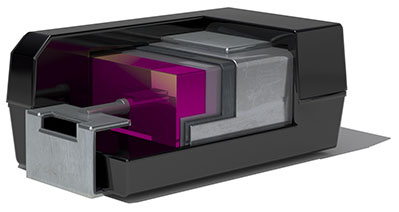
T598-Polymer-Electrolytic-Capacitor-150ppi-croppedBack in December, John Day’s Automotive Electronics Blog featured a post I wrote. The subject was KEMET’s (then) recent Automotive product introductions. Here’s a summary of the article.

KEMET has been working hard to meet the needs of automotive engineers in recent months. These efforts have resulted in several technology developments that will be of particular interest to design engineers involved with automotive electronic systems.

Firstly, the company made several key developments in polymer electrolytic capacitor technology. Recent additions to their high-voltage MLCC’s ArcShield line include new automotive grade parts rated for >500V and an X2-Rated Film capacitor that passes AEC-Q200’s qualification guidelines as well.

Read more on John Day’s Automotive Electronics about KEMET’s AEC-Q200 Polymer Electrolytic Capacitors.