As 2017 comes to a close, I looked back to see what readers made the most popular. It was an exciting year. The Arduino family came back together, Adafruit trolled the internet with rumors of a RadioShack buy out, and for me, I changed jobs.

Project wise I got my RetroPie SNES build completed, using an old Super Famicom case. This case is one I bought in Japan for 500 yen (about $5.) This work also led me to discuss voltage divider circuits. And I looked at a couple of scopes.

In case you missed it, here is what you as a reader found interesting over the past year.

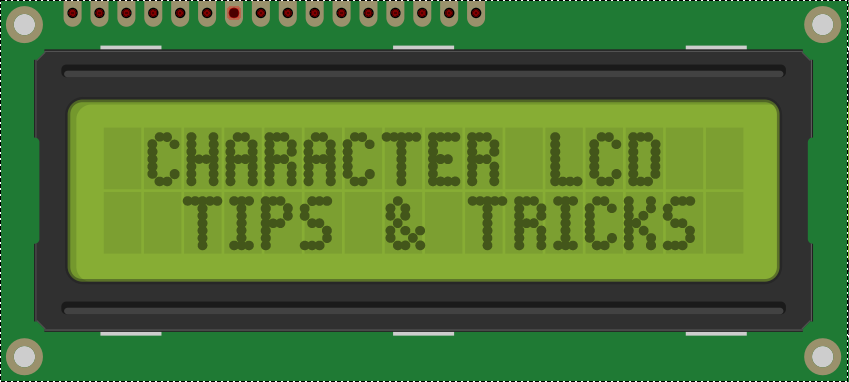
When I started working on Open Vapors, I thought the stumbling point would be the PID algorithm or safe AC line control. However, it turned out; I spent a significant amount of time understanding how to print to the Arduino LCD display correctly.

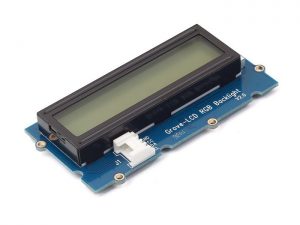
Grove Character LCD with RGB Backlight

If you need an easy to use RGB LCD, check out the Grove LCD from SeeedStudio. They sent me one to check out. The LCD comes with Seeed’s “grove connector system” which can connect to a variety of their Arduino-compatible boards. You can also pick up the Grove Base Shield which adds a variety of Grove connectors to an Arduino Uno. The Grove LCD makes it super easy to connect up a character LCD. It is very plug-and-play.

As I dig into my latest project, the lessons I learned back then are coming back to me. Here are 7 tips for driving an Arduino LCD display, like one with 2×20 or 4×20 characters.

In April 2017 I backed a project on Kickstarter called “Crazy Circuits.” It looked like a cool concept that was well developed, so I even included it in the Baldengineer Newsletter. I do not typically promote Kickstarter projects–unless they are exceptional in some way. I liked the concept of circuits that worked with existing LEGO-sized boards and pieces. Their shipping was a couple of months off, but nothing compared to some Kickstarter disasters. I received my Crazy Circuits kit in November, compared to the promised September.

The product concept is simple enough I could not put the time into a full write-up or an AddOhms Tutorial video. So, instead, I featured it on an AddOhms Live stream. For example, to connect an LED to a battery, just snap in some conductive “tape.” In the video, I am building my first two circuits ever. I do think the ribbon takes a bit of practice. However, as I said earlier, I like that it adapts to existing LEGO bricks rather well.

If you know someone interested in electronics but afraid of soldering, I think the Crazy Circuits kits are an interesting option. The case they come in is nice. (I know, strange thing to throw out there, but I do like the sorting case.)

After the hands-on, which lasts about 30 minutes, I answer viewer questions. These questions cover op-amps, LEDs, and capacitors.

Watch Crazy Circuits Hands-On, on YouTube

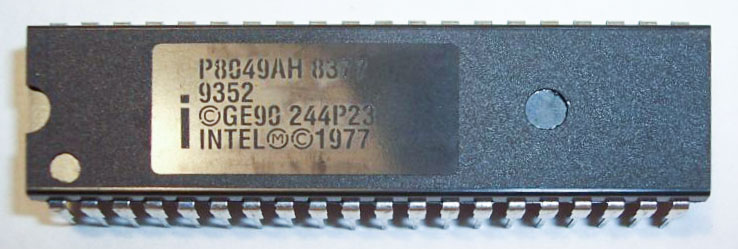
As a kid, I got the book “Upgrading and Repairing PCs.” (Now in its 22nd edition.) It was the first book to explain to me the PC architecture. I considered, how were there so few pins on an AT-style keyboard connector when there were 101 keys on the keyboard? That is when I first learned about the keyboard matrix.

Intel_P8049_AH_controller
Original image from Deskthority Wiki. (Edited image is shown.)

The keyboard matrix itself did not amaze me, but instead the idea there was an entirely separate 8-bit microcontroller inside of the keyboard. Early keyboards may have used the P8049AH, which, there is still some stock available to purchase. I was fascinated with the idea an entire computer was necessary to run the keyboard, to use my “real” computer. Why did it take something as complicated as a microcontroller?

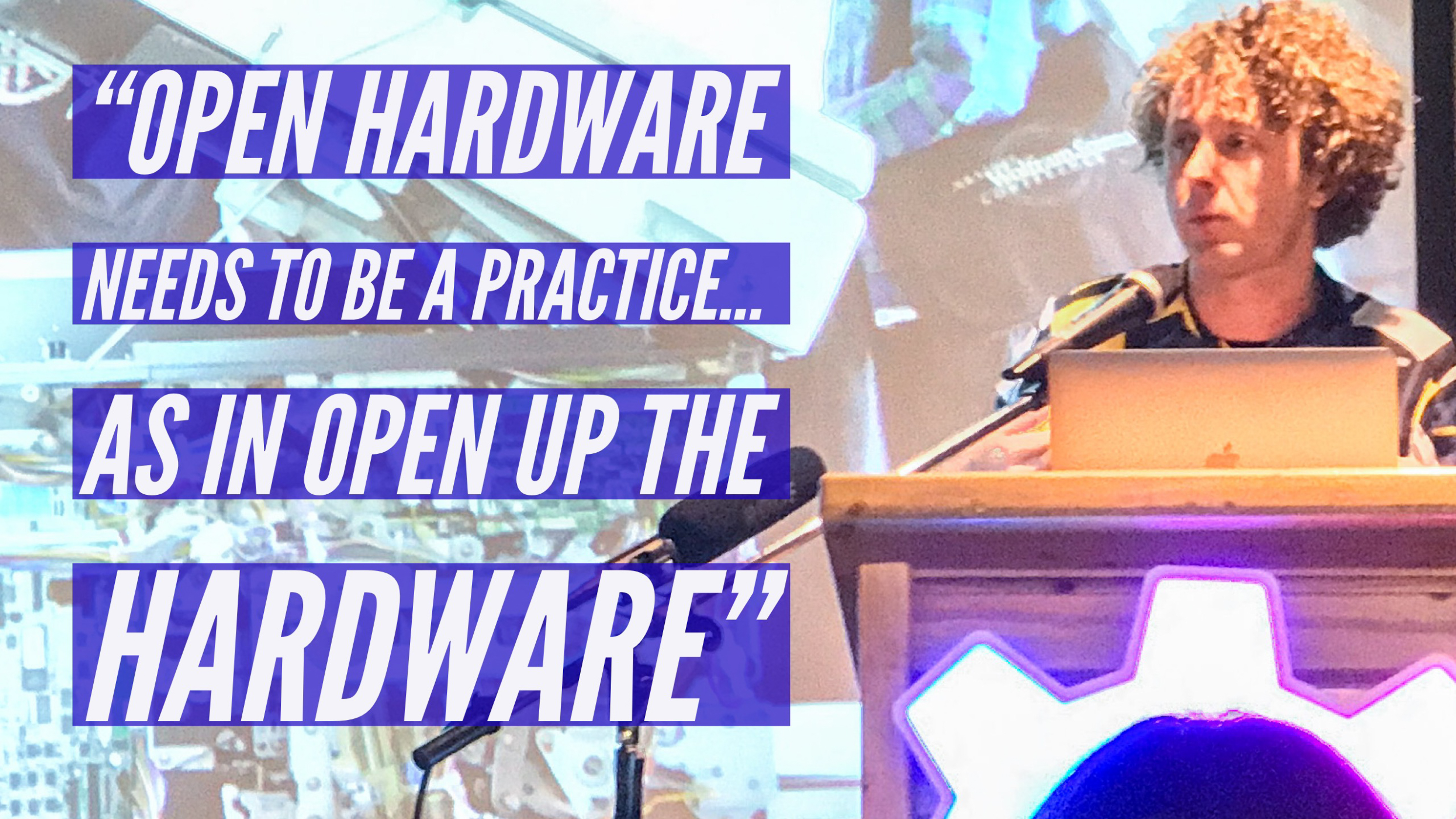
This year Denver hosted the 2017 Open Source Hardware Summit. It’s a one-day seminar with talks, demos, and a couple of drinks. The day after the official show Sparkfun and Aleph Objects hosted tours of their facilities. The combination of events made for a fantastic immersion into open source hardware.

There were many talks and demos setup during the summit. Here are three that caught my attention. Please note, this is not to rate or judge the quality of anyone’s work. Simply, a couple of weeks later these are the three talks that stuck with me.