Tag

arduino

Browsing

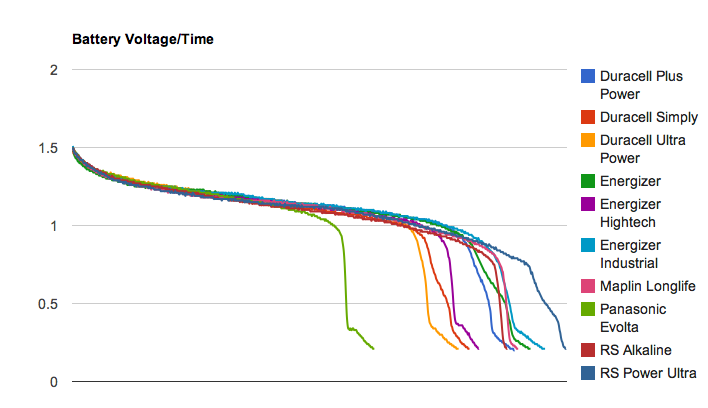
Why is choosing a simple AA battery such a daunting selection process?  Manufacturers are keen on giving their products different names and brag about the chemical technology that makes them up.  However, it is nearly impossible to make package-to-package comparisons of the battery’s capacitor.

Denis Hennessay has a GREAT write up on Measuring Battery Capacity with an Arduino.  In addition to full details on how his project works, Denis even shares the results of several AA batteries.  Nice!
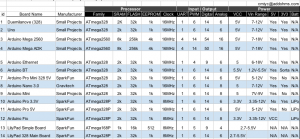
When getting started with the Arduino, the shear number of board options can be intimidating. While the variety is a great option, it can be daunting to a new user. Many people are afraid of selecting the wrong board, or their budget doesn’t allow for buying multiple boards. Just looking at the “official” boards listed on the Arduino.cc site, there are 14+ different Arduino board types to consider. Then there are a variety of 3rd-party boards with their own uniqueness.

This publicly editable Arduino Comparison Table is a one-stop place to compare key features of Arduino boards, such as Input Voltage, I/O Pins Available, and Connectivity options. Feel free to update information, make changes, or add new boards.

Visit the Google Docs Spreadsheet to use filters and sort by the various parameters.

[View Full Table]

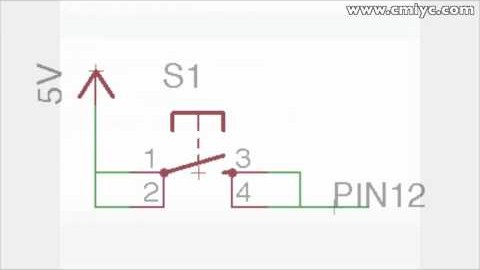
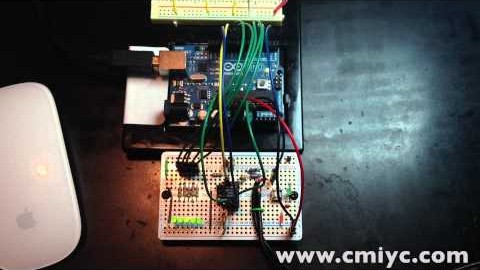
When hooking up switches or buttons to an Arduino I/O pin, sometimes the results might appear completely random. Sometimes it will appear as though there is a delay from when the button is pressed until the state of the pin actually changes. Other times the pin’s value will seem to randomly fluctuate from HIGH to LOW. Even more maddening might be as your finger gets closer to the switch, the pin’s state changes! The fix to these problems is simple: use the Arduino Internal Pull-up Resistor. Here’s how they can fix this problem and how you can use them with an Arduino board.