Author

James Lewis

Browsing

A tediously accurate scale model of the solar system
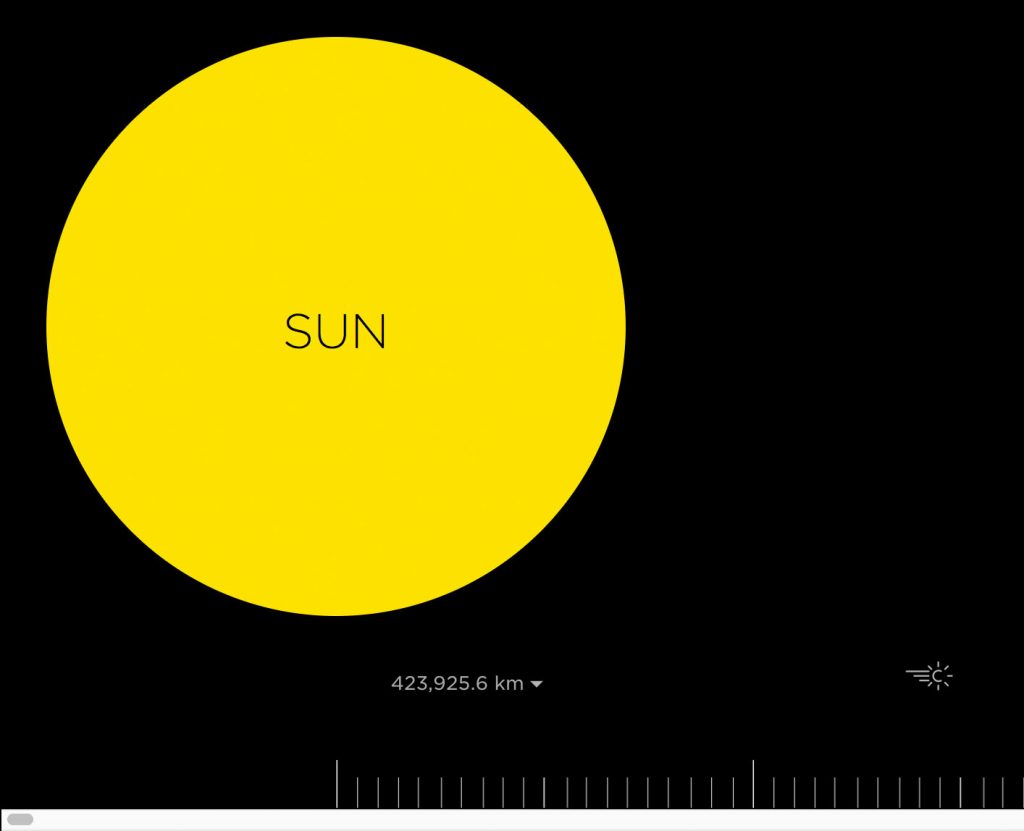
scrolling scale model of solar system

When I was growing up, I watched a lot of Star Trek. Over time I’ve looked into other Sci-Fi series. The occasional hit, like the reimaged Battlestar Galactica, caught my attention. But, for me, the voyages of the Enterprise defined “space” to me. Or the stories on Deep Space Nine. (There are no other Star Treks.)

Seeing a new alien or planet each week warps (see what I did there?) your mind to think that space is relatively small. But when you consider it takes almost 500 seconds for the light to travel from the Sun to the Earth, you begin to realize space is freaking huge.

That’s why this scrolling model of the solar system is so fantastic. It offers a unique sense of how “big” the universe really is–at least our solar system. Check it out on joshworth.com.
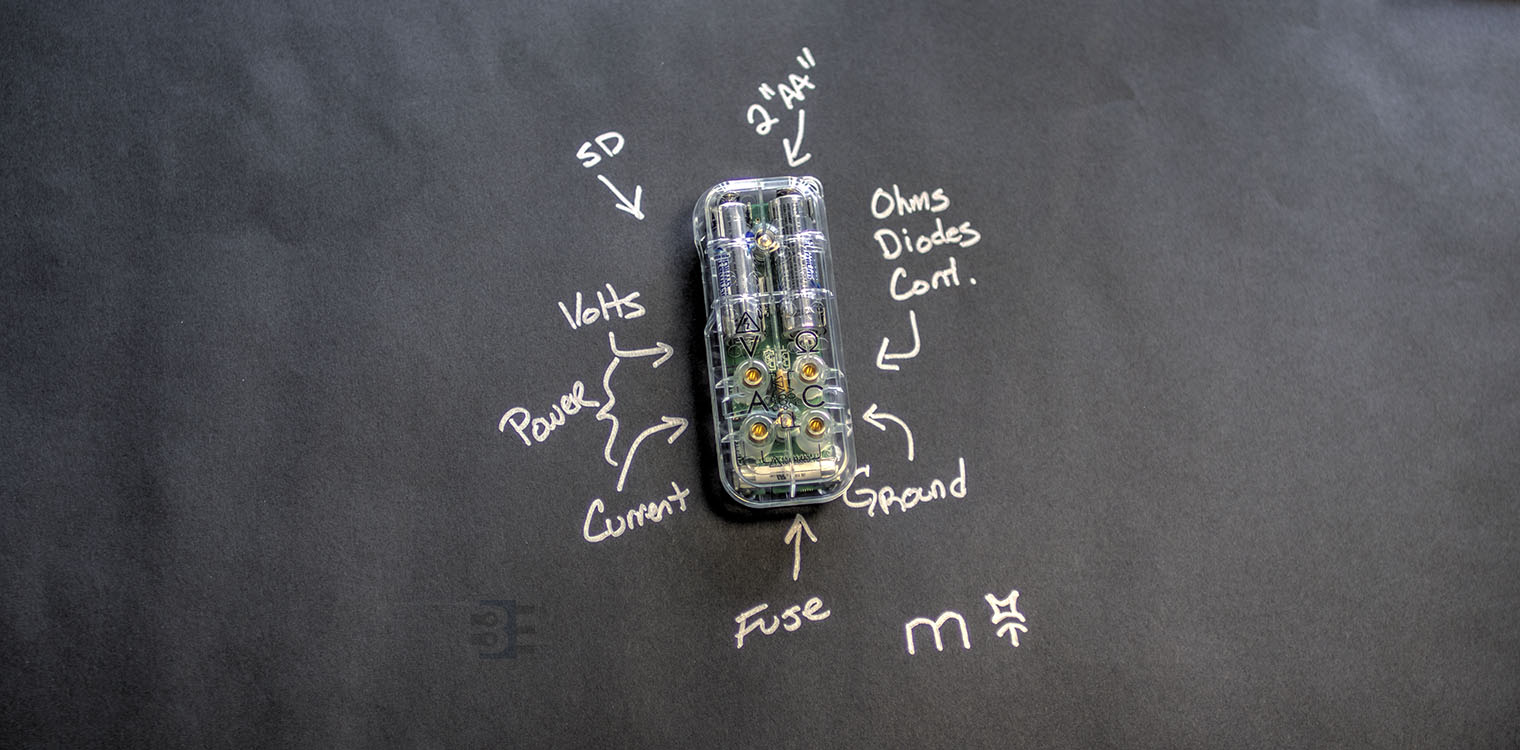
For fifteen years I used my Radio Shack 22-168A digital multimeter as my go-to meter. A couple of years ago I bought a Fluke 115. Not because the RS meter lacked a measurement, but because I wanted a backlit screen. Here’s the crazy thing though in 20 years of multimeter development, there hasn’t been much innovation. Well outside of maybe auto-ranging.

All three meters I have, plus the Virtual Bench I reviewed about a year ago all continue to have the same limitation: they can only perform one measurement at a time. That’s one feature that makes my latest meter, the Mooshimeter, unique. It can measure both voltage and current at the same time. Oh, and it doesn’t have a screen.

It’s a well-known fact of engineering: LEDs make everything look better. And that means a Fading LED is even better. Using Arduino’s analogWrite(), fading a LED is just a matter of a loop. If you use delay(), you can’t easily add other actions. What can you do? Well, Fading a LED with millis() is pretty simple. Here’s the code to do it and a quick explanation.

Ben Krasnow from Applied Science on YouTube uses his Electron Microscope to compare spinning media. The part of the video that caught my attention is the Vinyl Record. Not only does he show the groove and needle, but he puts it in motion! It’s a great look at how this technology works.

Additionally, I loved how he went into detail about how to prep the record for use in the electron microscope. (Spoiler: he had to make the record and needle conductive.) After the vinyl, he also compares a CD and DVD. The twist is that he also shows how a Capacitance Electronic Disc (CED) compares to the vinyl. You never heard of a CED?

Neither had I until Techmoan covered the RCA CED Videodisc on his YouTube channel. It appears over 1,700 movies were released in the United States alone. Check out the both videos for details on CED.

If you enjoy Electron Microscope pictures like I do, then you’ll enjoy this video.