Author

James Lewis

Browsing

Whenever someone sends me some code that doesn’t work, there are a few common Arduino programming mistakes that I check. Some of these mistakes I make myself.  In most cases my code will compile just fine. Sometimes, these mistakes won’t generate any compiler error.

When my Arduino code is acting up, these are the first things I check. Here are my 5 common Arduino programming mistakes, I use to debug non-working code.

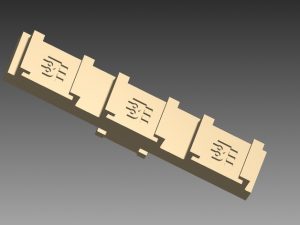
DSLR Shoe AdapterWhen recording videos for either baldengineer.com or, more often, AddOhms, I need at least two things attached to my camera. I used a Canon T5i. The two devices I need to have connected are a shotgun microphone and a wireless receiver. In the past, I just let the remote’s wireless receiver dangle. That really bothered me.

I’m still surprised this DSLR shoe adapter didn’t already exist on Thingiverse. Anyway, I created one. Head over to Thingiverse to download it.

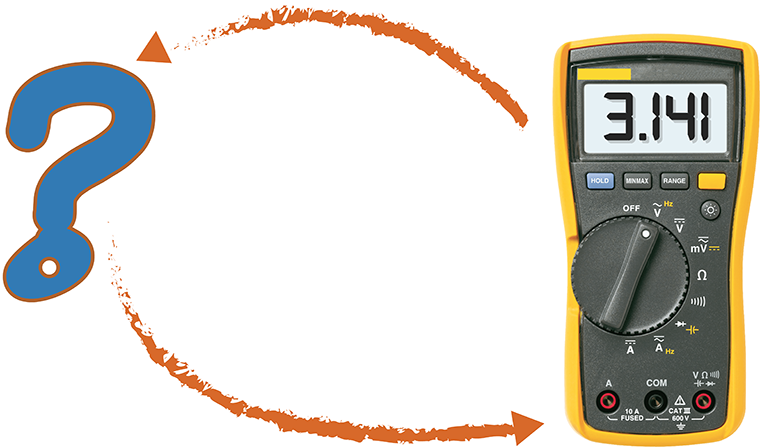
A couple of weeks ago, I asked my subscribers for their favorite test equipment alternatives. The reason I asked, was because I recently picked up a Mooshimeter. It is a modern take on the multimeter. However, I will cover that in more detail soon.

While I am fortunate that my bench has the usual equipment like an adjustable power supply, oscilloscope, multimeter, and function generator, I know that not everyone else does. I also had to think back to before I had this equipment, what did I use to troubleshoot my circuits.

Sometimes when working on a project, whether hobby or professional, you just don’t have the tools you need on hand. Or worse, you cannot afford it. So here are some of the responses you all sent me.

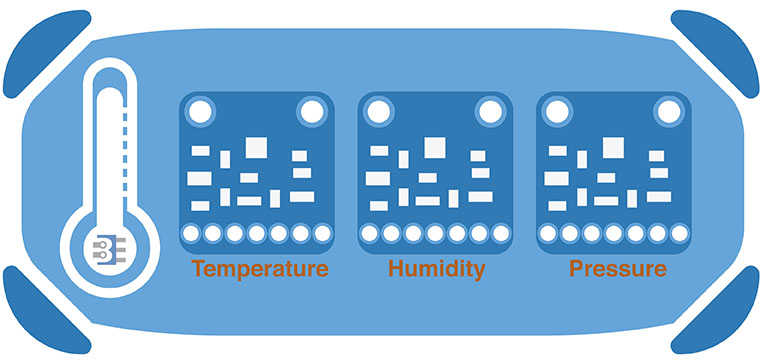
Getting back to my IoT projects, I decided to pick up a temperature sensor. While looking through the Adafruit breakout boards, I found they offered nine different digital temperature sensors! This list is in addition to the analog TMP36 temperature sensor, so that’s ten. I needed an Adafruit Temperature Sensor comparison.

With so many options, I quickly found myself getting lost between the various modules. The 10 I found all measured temperature and provided an I2C interface. Except for the MCP9808 board, they all made at least one other type of measurement. The MCP9808 is the cheapest digital temperature sensor breakout that Adafruit offers, and also the most accurate.

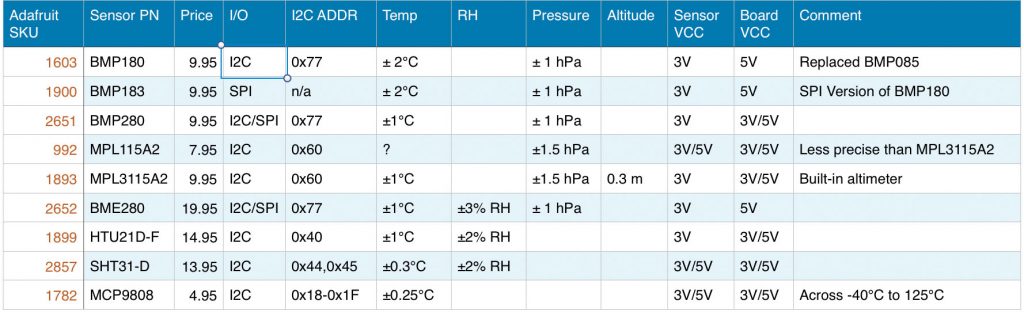
I couldn’t find a comparison in my quick search, so I built my own comparison table. Here’s my chart for an Adafruit Temperature Sensor comparison of their breakout boards.

adafruit temperature sensor comparison chart
Updated: 2016-JUL-27

IEEE EMC 2016

The 2016 IEEE International Symposium on Electromagnetic Compatibility is sponsored by, no surprise, the IEEE Electromagnetic Compatibility Society (EMC-S). The EMC Society is the largest organization dedicated to reducing EMI. The society looks at standards, measurements, interference techniques, equipment, and a broad range of other activities.

Previously, I attended the show when it was in North Carolina. A wide variety of information complimented into the deep technical sessions. The vendors on the show floor were varied. I find this to be one of the most technical shows I attend.

James at IEEE EMC 2016

For the IEEE EMC 2016 conference, I am attending on behalf of my day job. I’ll be on the tradeshow on Tuesday, Wednesday, and Thursday. Stop by the KEMET booth (#903) to learn about AC Chokes, EMI Filters, a flexible EMI shield, EMI Cores, and X/Y Safety Capacitors. Since I’ll be in Ottawa Monday through Friday, let me know if you’d like to meet up.

Finally, check out the EMC Society website if you’re interested in the group behind this conference.