Arduino boards have microcontrollers with notoriously small amounts of RAM. The Uno only has 2,048 bytes of static RAM available for your program to store variables. So when you need to keep non-changing variables out of RAM which is best to use const or #define?


It isn’t always clear what is meant by calling a device or a signal “analog” and “digital”. This AddOhms tutorial explains the difference between analog and digital by using an analogy to clocks. Old-school clocks with hands are a great example of “analog” while alarm clocks with digits as their display are an excellent example of “digital”.

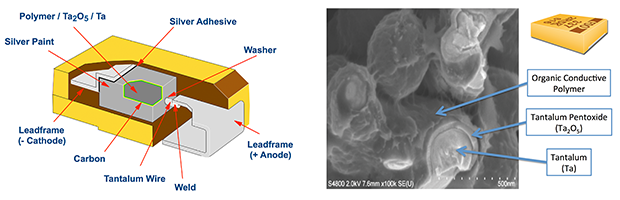
November 2013’s issue of Electronic Products features an article on the cover titled “Introduction to Polymer Capacitors.” The author is, well, me. This article explains the differences between traditional MnO2-Tantalum and Polymer-Tantalum capacitors. Previously I explained these differences in the post on the fire hazard the Arduino GSM shield poses (due to improper derating).
You can find the Electronic Products article wherever magazines are sold or here: Introduction to Polymer Capacitors. Check below for links to high-resolution pictures.
All Arduino boards have GPIO pins with digital and analog capabilities. The Arduino pinMode() function determines how the pins will operate. A surprise might be that in some cases it is not necessary to use it. And when you do, pinMode() may not always work the way you expect. This post outlines how the Arduino pinMode() function works and when you should (or not should) use it.
pinMode(13, OUTPUT);
The fifth episode of AddOhms tackled the difference between AC and DC. One of the things I wanted to stress in this tutorial is that even though the acronyms stand for “current”, they get used to describe voltages as well. Which, after a video on the difference between voltage and current, seemed like something that needed to be stated.
No behind the scenes for this one, just the finished video.