Back in the 1990s, a 1.44mb floppy disk was a reasonable storage size for most documents.  For bigger documents or backing up an internal hard drive, other options were necessary. You might remember the Zip Drive, but that wasn’t the first large portable media.

The Bernoulli Box was the precursor to the Zip Drive. It used custom media that could store 10s to 100mbs on portable disks. Well, portable compared to carrying around an entire hard drive. Operating using the Bernoulli principal, the drive’s head never comes in contact with the “floppy” material inside the protective case.

Clint of Lazy Game Reviews takes a look at this cool forgotten drive technology in this video.

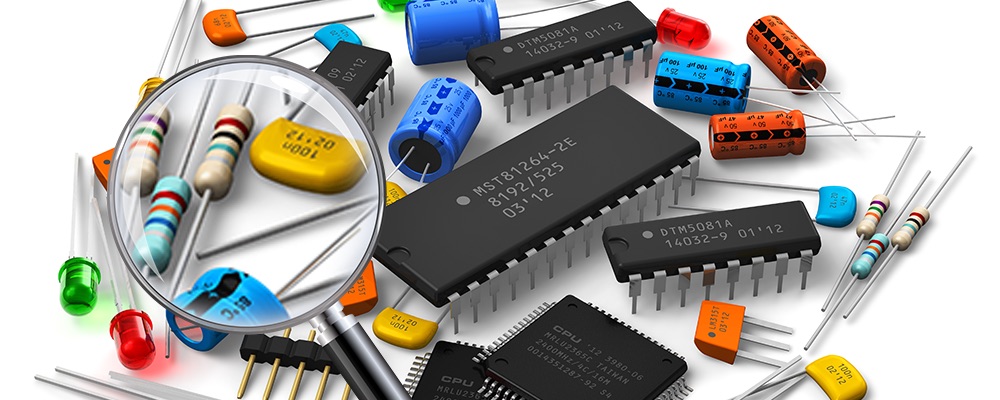
What part is the most important part in building a project? All of them! Okay, bad joke. Selecting the right parts or components for a design is an area where both new hobbyist and veteran engineers struggle. The wide variety of devices make it almost impossible to know if you are selecting the right one.

Looking at a curated List, using component search engines and browsing DIY shops are how I tend to find parts for my projects.

You might want to bookmark these some of these sites so you can use them next time you’re stuck on how to find parts for your project.

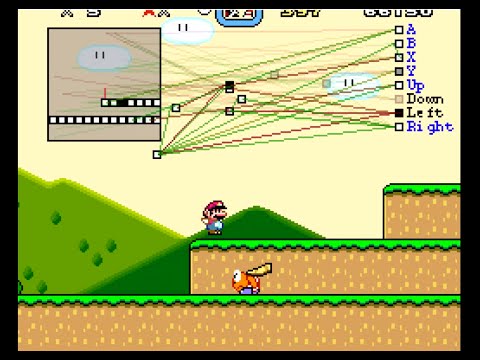
Using a learning algorithm known as NEAT, this Super Mario World play through is an example of a machine learning how to beat the level on its own. Using an evolutionary process, a neural network was built–or learned–to complete the level. The name of the program used to control Mario is called… Mar-I/O.

  • N: Neuro
  • E: Evolution of
  • A: Augmenting
  • T: Topologies

The initial play through is fascinating as well as the breakdown of what is going on. Well worth the 5 minutes.

[Update… Ryan in the comments provided this MarI/O version modified to factor in score.]

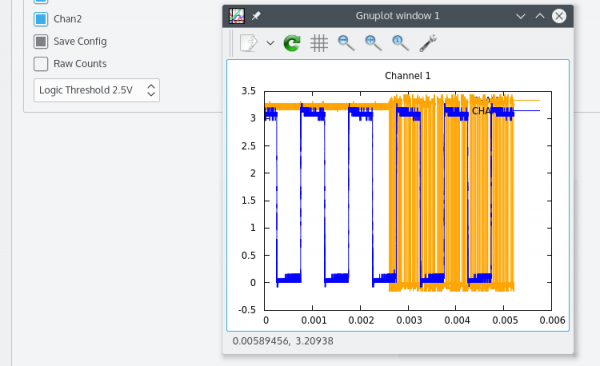
The Rigol DS1052E digital oscilloscopes are very popular for both hobbyist and professional engineers. These are very affordable scopes that pack a lot of value. Most of the software tools offered from Rigol only run on Windows. Al Williams has fixed that with the the qrigol project on GitHub.

From the readme file:

  • Uses USB communications with Scope
  • Allows keyboard to be unlocked so you can use both the panel and the software
  • Allows easy reading of all measurements as well as logging of all measurements
  • Control of common scope functions
  • Saves waveforms in CSV format
  • Integrates with external plot software like gnuplot to qtiplot
  • Diagnostic mode to send raw commands to scope

There’s a couple of limitations, but I want to draw attention to one. If your region uses a comma (“,”) as a decimal point, you might run into issues. For more information, you might want to check out the qrigol thread on the EEVBlog.

There are two methods to making a prototype PCB: 1) Etch Your Own or 2) Send to a Prototyping Service. While there are many prototyping service options, most cause you to wait anywhere between 24 hours and 30 days before you get your boards back.

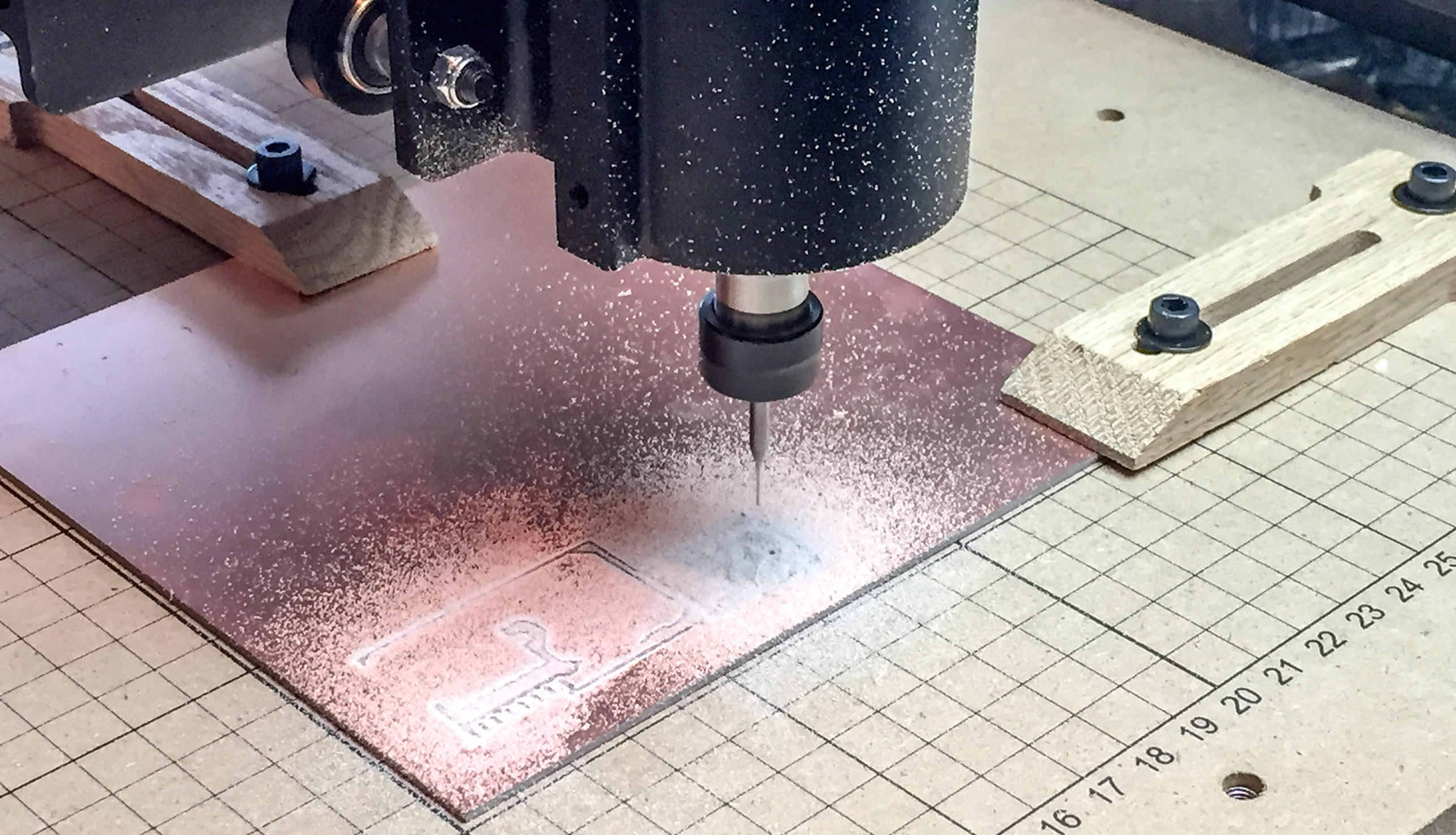
If you need a PCB done today, etching at home is a great option. Chemical etching involves all kinds of steps with all kinds of weird chemicals. If you don’t want your neighbors to think you’re the next Walter White, then mechanical etching is a better option. Which is why I bought an X-Carve from Inventables. It’s a CNC Milling Kit you build yourself.

Keep reading for my X-Carve CNC Review and first-hand experience on etching my first PCB. Plus, lots of pictures!