Category

Tutorials

Category

Arduino digitalWrite speedPreviously I looked at the speed difference between digitalWrite and direct port manipulation. It was a chance to check out a Saleae Logic Analyzer. Andrew at !Crash-Bang Prototyping took the analysis a step further. He broke down what is going on inside of digitalWrite().

This study is useful. When you’re ready to move beyond the Arduino IDE or the core functions, you can decide if you need your own version of digitalWrite().

Check out !Crash-Bang Prototyping’s “How Arduino digitalWrite Works – and why AVR is Faster“.

Solder is the glue of electronic circuits. In addition to a permanent mechanical connection, solder provides an electrical connection. Not too much unlike glue solder combines two separate metal pieces with a bonding material. In this case, the bonding material is a metal or allow with a relatively low melting point.

When soldering together a circuit, the quality of the solder joint is crucial. Most people probably recognize the need for a high-quality soldering iron, like the FX-888D from Hakko, but about the other tools?

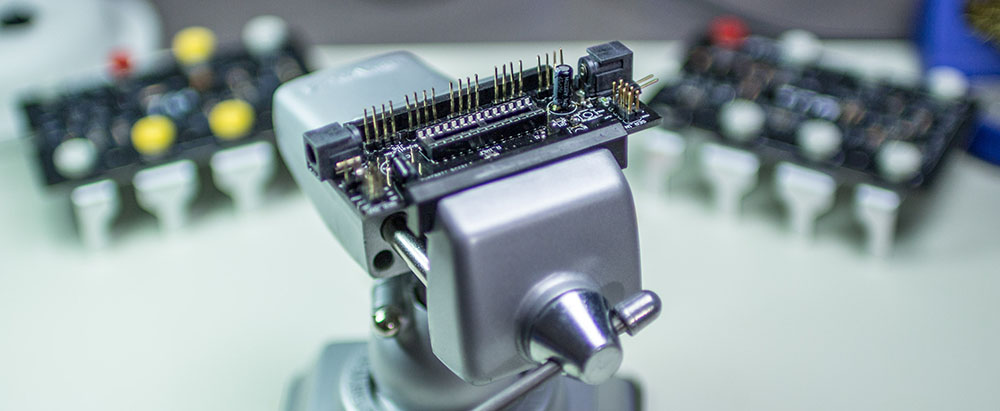
Building a modular soldering station is just as critical to making good solder joints as the actual solder itself.

Whether you are an engineer with enough experience to be called a graybeard or a novice that keeps grabbing the wrong end of a soldering iron, there is one component that eludes everyone working in electronics.

It’s the humble capacitor.

A seemingly simple device, turns out, to be incredibly complex. While the basic electrode-dielectric-electrode structure sounds simple, the materials used in that structure drastically changes the characteristics of the device.

[featured-image]KEMET Engineering Center Screenshot, Courtesy of KEMET Corporation.[/featured-image]

There’s a new website created by KEMET Electronics which aims to educate all levels of engineers about the ins and outs of capacitors. They call it the KEMET Engineering Center.

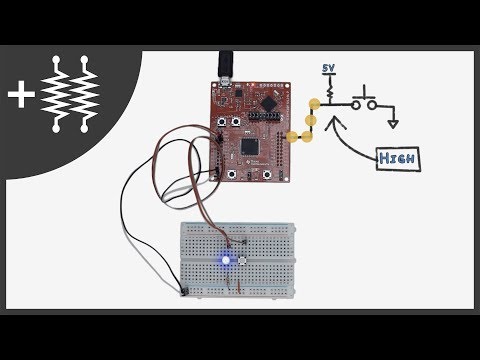
The latest AddOhms looks at why you need a pull-up resistor when using push-buttons. This video goes into what happens when you leave a pin floating, what a floating pin means, and how the pull-up works. You can get more information about the video on the AddOhms Episode page.

[shareable]Pull-Up Resistors can be a difficult topic to understand. That’s why I made this video.[/shareable]

This tutorial is the 2nd time I’ve made a video on pull-ups. Despite being a single resistor, it can be a difficult topic for new hardware designers to understand. The pull-up video was the first video tutorial I ever made. In fact, the YouTube version uses YouTube’s “stabilization” algorithm, which gives the video a very warped feel.

AddOhms #15 shows improvements in skill over the past couple of years!

What’s another topic that I need to cover in an AddOhms Tutorial?