Smoke detectors beep when their backup battery dies, which always seems to occur in the middle of the night (at least for me.) These backup batteries are usually a small rectangular 9V. They have become popular choices for electronics projects. If you need your Arduino project to last longer than a day, this isn’t the battery you want to use. Here’s why.

As your electronics hobby grows, so does your parts collection. Eventually the growing number of Mouser boxes with crudely written labels just won’t cut it. Also, you’re tired of re-ordering parts you had but forgot about. Here’s a couple of ways to keep track of your parts like a pro.
It’s been a little quiet on the blog because I spent the last three weeks in Asia. There’s some electronics enginerd stuff coming next week. Until then, I hope you’ll excuse this rare off-topic post. While in Tokyo I saw a number of awesome things and thought I’d share 2 of them: ASIMO at the Miraikan Museum and a dinner show at the Robot Restaurant. Click Read More to check out some pictures and videos.
By far one of the most powerful functions of the Arduino library is the millis() counter. It is also one of the most misunderstood functions. Mastering millis() can unlock incredible amounts of potential with an Arduino. That’s why I’m spending an entire week on millis().
Each day this week I’m posting a new example of how to use millis() in your code. Each will be cataloged on this newly created Arduino Millis() Cookbook Page. If you have ideas for other examples, leave comments below.
Also, quick note. In doing this work I realized there was some issues with my previous Multitasking with Millis and How to Reset Millis() (hint, you don’t) posts which I’ve now corrected.
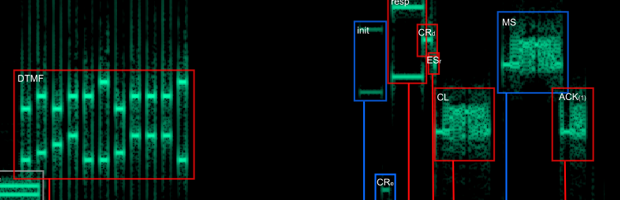
This beautiful Spectrogram video is instant nostalgia for any of us who used BBSes back in the 80s and 90s. The video comes from Scott H on Youtube.
Several of the videos I have made incorporate the initial connection sound (until the echo suppression is disabled.)
Enjoy this blast from the past, unless you are one of the 3 million subscribers mentioned in AOL’s 2012 Annual Report, which still use dial-up!