Category

Around The Web

Category


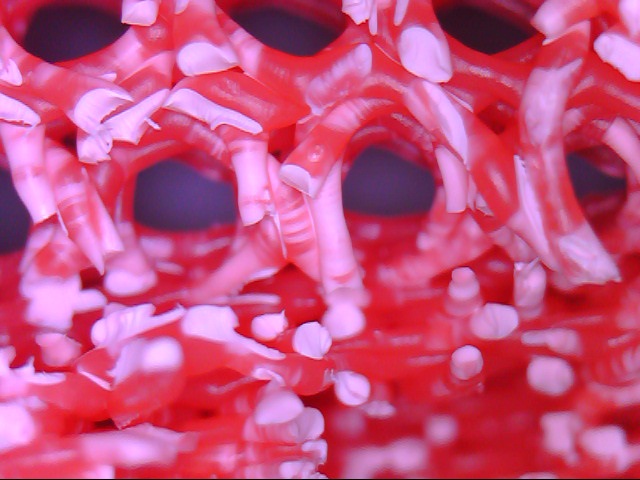
Polymer Crazing via engineerdog.com

Ever notice when you over-stress plastic, the stress points tend to turn white? The color or type of plastic doesn’t seem to matter, does it? So what is going on? This awesome post from EngineerDog explains why stressed plastic turns white.

If you’re starting to work with ABS on your 3d printer, it will help to understand what is happening to the polymer chains. It’s a process called crazing.

One good reason to learn about crazing is there is a way to fix it. So check out EngineerDogs’ explanation for more.

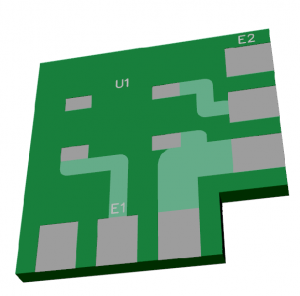
NeoCorner from josh.com

If you’re working with the WS2812B and need to turn corners, you’ll want to check out this NeoPixel Corner adapter PCB from josh.com. It’s a pretty simple board. I came across it as a solution for an upcoming lighting project.

In josh’s example, he used a CNC to mill the PCBs. If you’re using one-sided FR4, that might work well. You’ll want to double-check thicknesses if you want to use OSHPark or similar.

You can check out the full write-up here or the NeoPixel Corner Board project GitHub.

On a related link, this document explains differences between WS2812 and WS2812B.

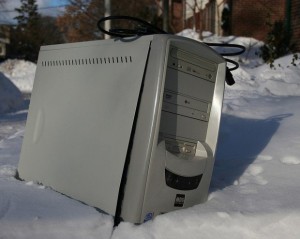
Dumpster diving can be a rewarding experience for a maker. You never know what components you might be able to recover from electronics otherwise discarded. What can be hidden inside of an “obsolete” box? Motors? Sensors? Capacitors?

Older technologies like VCRs and Scanners can be a treasure trove of stepper and servo motors. Under-powered, by today’s standards, computers probably have cables that can be re-purposed into your current project.

Be on the lookout with Make Magazine’s list of 8 types of “trash” you’ll be lucky to score.

Whether you are an engineer with enough experience to be called a graybeard or a novice that keeps grabbing the wrong end of a soldering iron, there is one component that eludes everyone working in electronics.

It’s the humble capacitor.

A seemingly simple device, turns out, to be incredibly complex. While the basic electrode-dielectric-electrode structure sounds simple, the materials used in that structure drastically changes the characteristics of the device.

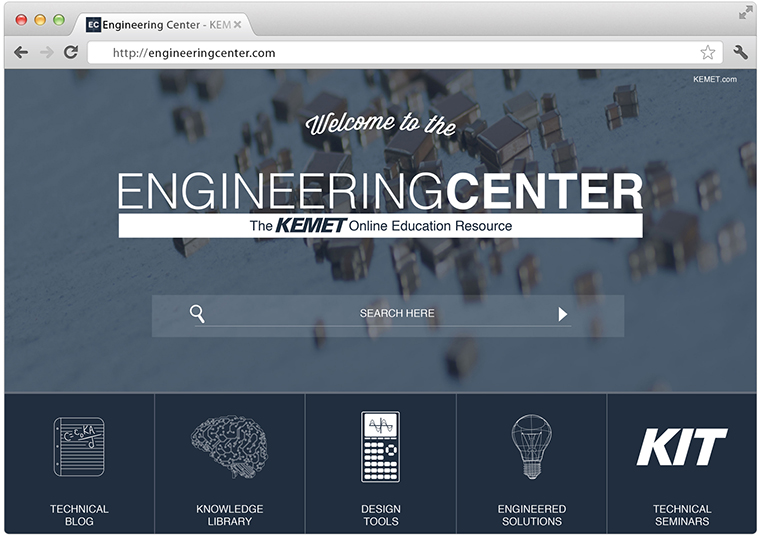
[featured-image]KEMET Engineering Center Screenshot, Courtesy of KEMET Corporation.[/featured-image]

There’s a new website created by KEMET Electronics which aims to educate all levels of engineers about the ins and outs of capacitors. They call it the KEMET Engineering Center.

Back in the 1990s, a 1.44mb floppy disk was a reasonable storage size for most documents.  For bigger documents or backing up an internal hard drive, other options were necessary. You might remember the Zip Drive, but that wasn’t the first large portable media.

The Bernoulli Box was the precursor to the Zip Drive. It used custom media that could store 10s to 100mbs on portable disks. Well, portable compared to carrying around an entire hard drive. Operating using the Bernoulli principal, the drive’s head never comes in contact with the “floppy” material inside the protective case.

Clint of Lazy Game Reviews takes a look at this cool forgotten drive technology in this video.