Author

James Lewis

Browsing

Solder is the glue of electronic circuits. In addition to a permanent mechanical connection, solder provides an electrical connection. Not too much unlike glue solder combines two separate metal pieces with a bonding material. In this case, the bonding material is a metal or allow with a relatively low melting point.

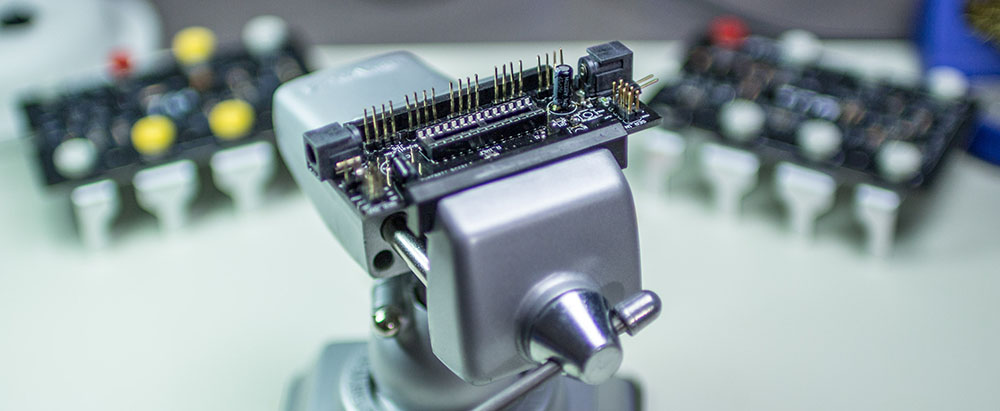
When soldering together a circuit, the quality of the solder joint is crucial. Most people probably recognize the need for a high-quality soldering iron, like the FX-888D from Hakko, but about the other tools?

Building a modular soldering station is just as critical to making good solder joints as the actual solder itself.
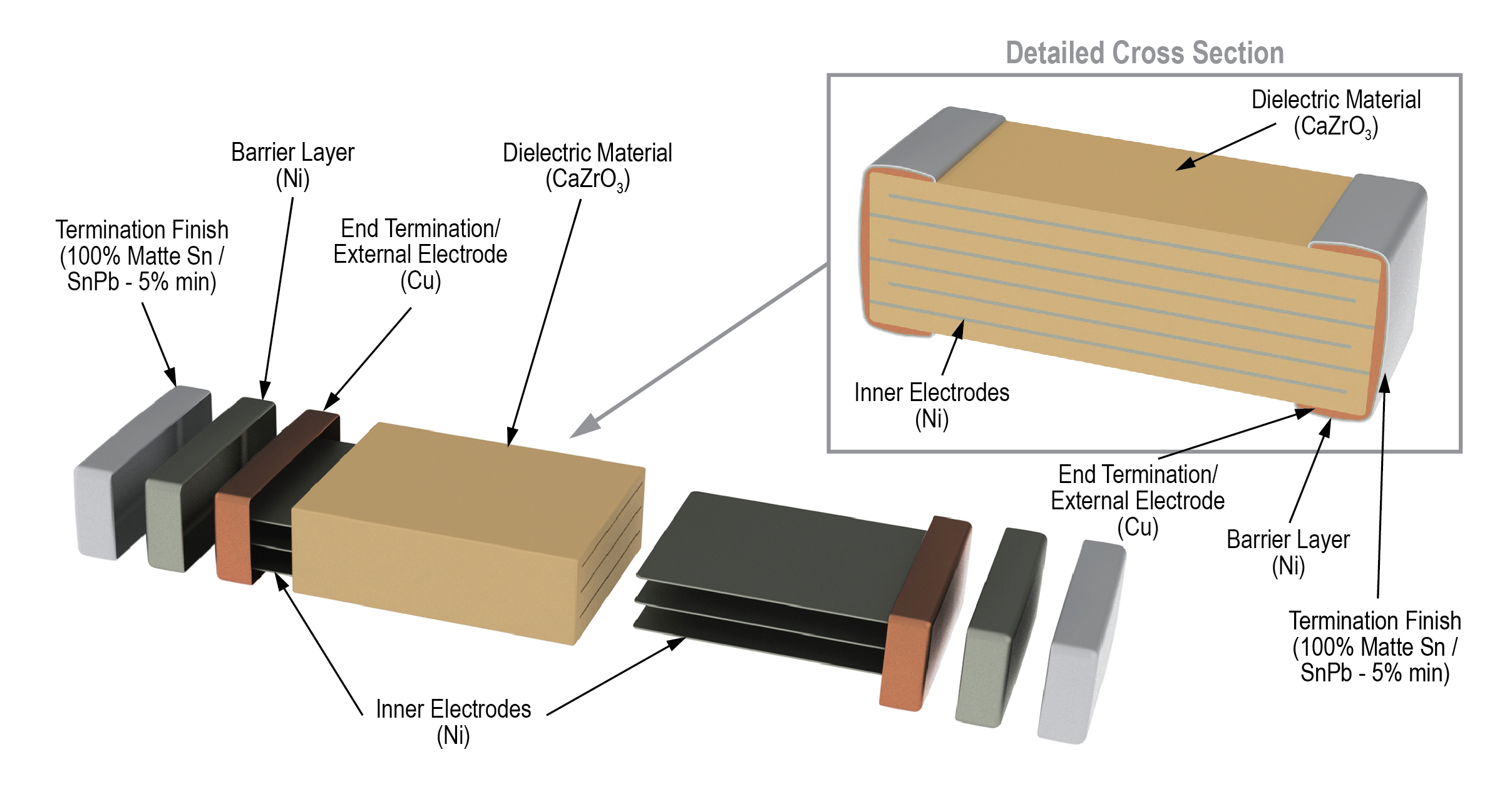
Capacitor lifetime depends on the materials

Although not all applications are safety critical or mission critical, reliability is still a vital consideration for many electronic products. Making informed choices at the part selection stage can help ensure the product will perform correctly over its intended lifetime.

When choosing capacitors, properties such as volumetric efficiency, frequency stability, temperature rating or equivalent series resistance are often the primary factors that govern technology choice. In these cases, understanding factors affecting lifetime can help engineers make sure the product will deliver the required reliability.

On the other hand, a long operational life may be an essential requirement of the end product.

Continue Reading the full article, “Capacitor reliability can be improved with the right materials,” on Electronics Weekly.

NeoCorner from josh.com

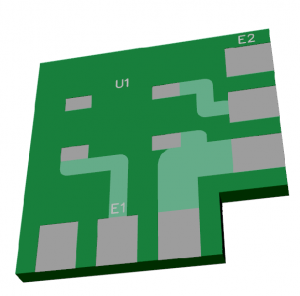
If you’re working with the WS2812B and need to turn corners, you’ll want to check out this NeoPixel Corner adapter PCB from josh.com. It’s a pretty simple board. I came across it as a solution for an upcoming lighting project.

In josh’s example, he used a CNC to mill the PCBs. If you’re using one-sided FR4, that might work well. You’ll want to double-check thicknesses if you want to use OSHPark or similar.

You can check out the full write-up here or the NeoPixel Corner Board project GitHub.

On a related link, this document explains differences between WS2812 and WS2812B.

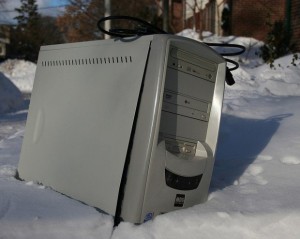
Dumpster diving can be a rewarding experience for a maker. You never know what components you might be able to recover from electronics otherwise discarded. What can be hidden inside of an “obsolete” box? Motors? Sensors? Capacitors?

Older technologies like VCRs and Scanners can be a treasure trove of stepper and servo motors. Under-powered, by today’s standards, computers probably have cables that can be re-purposed into your current project.

Be on the lookout with Make Magazine’s list of 8 types of “trash” you’ll be lucky to score.

Whether you are an engineer with enough experience to be called a graybeard or a novice that keeps grabbing the wrong end of a soldering iron, there is one component that eludes everyone working in electronics.

It’s the humble capacitor.

A seemingly simple device, turns out, to be incredibly complex. While the basic electrode-dielectric-electrode structure sounds simple, the materials used in that structure drastically changes the characteristics of the device.

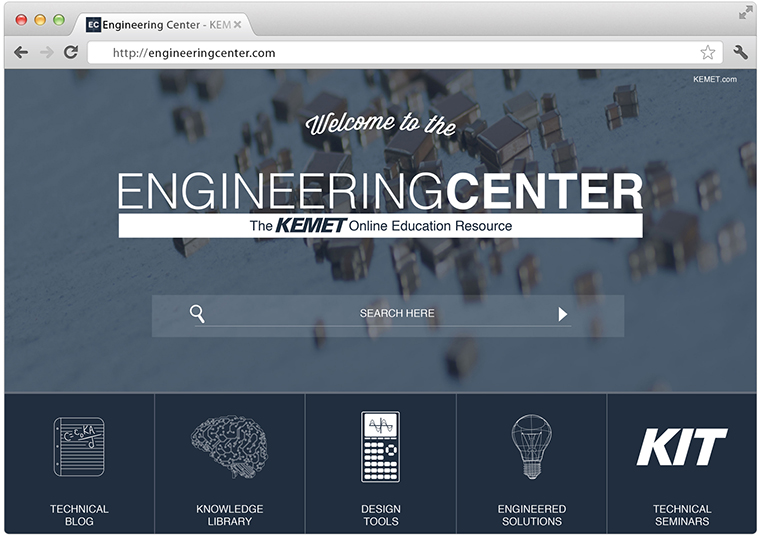
[featured-image]KEMET Engineering Center Screenshot, Courtesy of KEMET Corporation.[/featured-image]

There’s a new website created by KEMET Electronics which aims to educate all levels of engineers about the ins and outs of capacitors. They call it the KEMET Engineering Center.