It’s been a little quiet on the blog because I spent the last three weeks in Asia. There’s some electronics enginerd stuff coming next week. Until then, I hope you’ll excuse this rare off-topic post. While in Tokyo I saw a number of awesome things and thought I’d share 2 of them: ASIMO at the Miraikan Museum and a dinner show at the Robot Restaurant. Click Read More to check out some pictures and videos.
When you start creating your own parts in EAGLE, you’re going to want to store them somewhere. Here’s how to setup EAGLE to use custom directories and how to create your own Library, which gets stored in the custom directory. There are a number of steps involved, but once setup custom libraries give you a place to store components you create as well as the ability to copy other parts into your library.
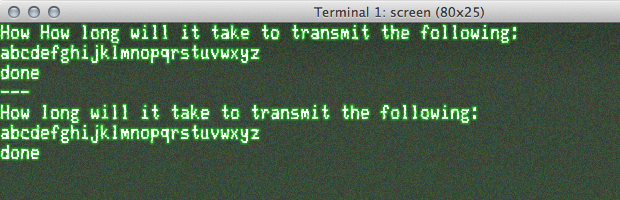
In the Arduino library, the Serial object has a method called “flush().” Often users go throwing it into programs without fully understanding what it does. It doesn’t help that it’s functionality changed when version 1.0 of the Arduino IDE was released.
Does Serial.flush() affect the Transmit Buffer or the Receive Buffer and when do you need to use it?
Having spent the past 6 years writing code for the Arduino platform, I’ve noticed a trend in myths from both newcomers and veteran users. Here are the Top 5 Myths I see come up on forums, in classes, and on IRC.