Author

James Lewis

Browsing

From Jan 1 2014 until today, baldengineer.com’s traffic has increased 150%.  With so many new readers, I thought about how to make better posts for you.  That lead me to look at the top posts in 2014. Below are the most viewed posts from the past year, plus some honorable mentions.

Top 10 Posts from 2014

  1. 5 Myths Everyone Believes about Arduino (that aren’t true)
  2. millis() Tutorial: Arduino Multitasking
  3. Arduino: How do you reset millis() ?
  4. MSGEQ7 Simple Spectrum Analyzer
  5. When do you use the Arduino’s Serial.flush()?
  6. Arduino: Sending and Receiving Multi-Digit Integers
  7. Arduino Internal Pull-Up
  8. LED Basics
  9. Open Vapors – Open Source Toaster Reflow Oven – Overview
  10. Alternatives to Arduino’s Serial Monitor

Keep your soldering iron tip from oxidizing.

As it gets dull and gray, it’ll be harder to make good solder joints. My favorite tool to clean a tip is a Brass Sponge. The other option is a damp cellulose sponge, but I’m not a fan of those.

I have just never found a sponge gets the tip as clean as a light dabbing from the brass sponge.

Just be careful not to “scrub” too hard, you don’t want to scratch the tip. When you done soldering, make sure you clean it with the sponge then coat the tip with fresh solder. Leave that solder on the tip until the next time you use it. The layer of solder will prevent oxidation from building up while the iron sits unused.

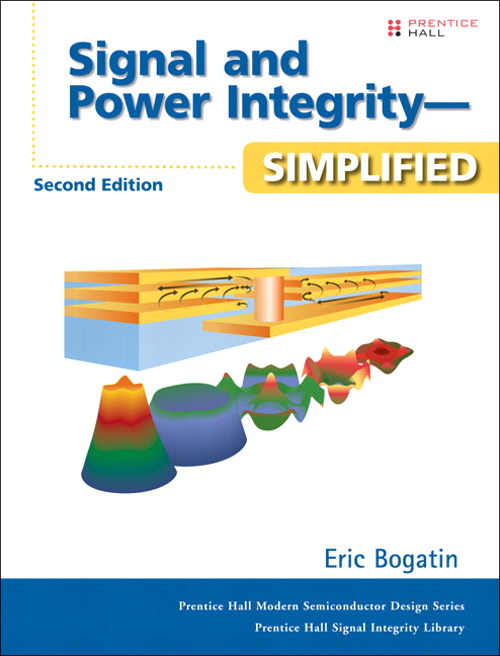
Let me start by saying, this book is not for new comers, or (ugh) “newbies”, to electronics.  This book is intended for those who have a solid understanding of electrical engineering fundamentals, but want to expand to the next level.  Bogatin’s amount of detail is on-par with a textbook but writing style is more casual.

Understanding signal integrity use to be “Black Magic.”  It is taught in a language which resembles engineering speak, but sounds like randomly assembled terms purposefully meant to confuse people.  Personally, I remember hearing “signal integrity engineers talk” and wondered if they were speaking in code.

One of the best ways to describe a transistor is as an “electronic switch.”  They are solid state devices that make up almost everything in our world.  This video by Veritasium, which is a bit older, covers how n and p-type transistors actually work.

This complements the Addohms videos on BJTs and MOSFETs, which are more about how to use them.

If you’ve never watched a Veritasium video, do yourself a favor and set aside a few minutes. He’s like the Alton Brown of science.