Arduino Bootloader, What is it?
Almost all microcontroller (and microprocessor) development systems use some form of a bootloader. Often called firmware, mistakenly, the Arduino bootloader is one example. Since …
Read More
Almost all microcontroller (and microprocessor) development systems use some form of a bootloader. Often called firmware, mistakenly, the Arduino bootloader is one example. Since …
Read More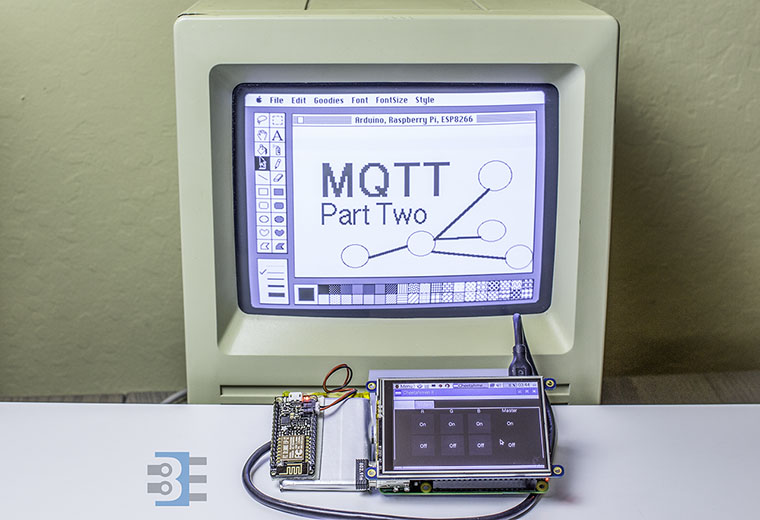
This week’s MQTT Tutorial connects a Raspberry Pi, ESP8266 (or Arduino), and a PC together. Remember last week’s post provided an overview of message brokers and MQTT. We learned …
Read More
MQTT is an easy way for Internet of Things (IoT) devices to communicate with each other. This light-weight protocol can be used with a simple 8-bit Arduino to a Raspberry Pi to a …
Read More
One of the common questions related to using the millis() function in Arduino, is around timed events. After an event occurs, you want the code to wait for some time before doing …
Read More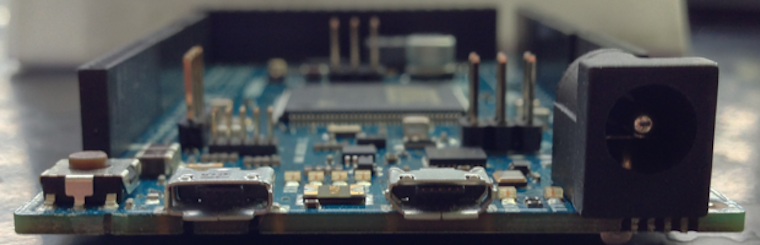
When you hear the name “Arduino,” does a picture of the Uno come to mind? While the most popular, this 8-bit based board isn’t the only Arduino available today. There are some …
Read More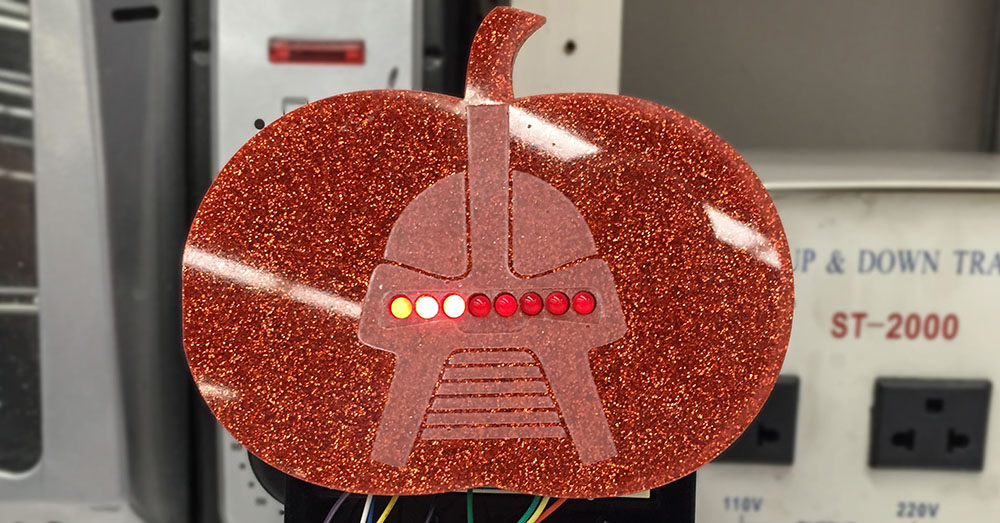
Last week I had a detailed Arduino tutorial on software pulse width modulation using millis() and micros(). Why? Because I wanted to create a Proper Larson Scanner, with …
Read More
The Arduino Uno has six pins dedicated to Pulse Width Modulation (PWM). PWM is great for analog-like control for the speed of motors or LED fading. But what if you want to control …
Read MorePreviously I looked at the speed difference between digitalWrite and direct port manipulation. It was a chance to check out a Saleae Logic Analyzer. Andrew at !Crash-Bang …
Read MoreThe latest AddOhms looks at why you need a pull-up resistor when using push-buttons. This video goes into what happens when you leave a pin floating, what a floating pin means, and …
Read More
Making the move to millis()-based code can be daunting. You have to rethink your logic, implement flags, program a state machine — and more importantly, start using millis(). …
Read More