Aluminum Polymer Capacitors on EE Journal's Chalk Talk
What are aluminum polymer capacitors? These are a solid type of capacitor that replaces the liquid electrolyte with a solid polymer material. Sometimes you might hear these …
Read More
What are aluminum polymer capacitors? These are a solid type of capacitor that replaces the liquid electrolyte with a solid polymer material. Sometimes you might hear these …
Read More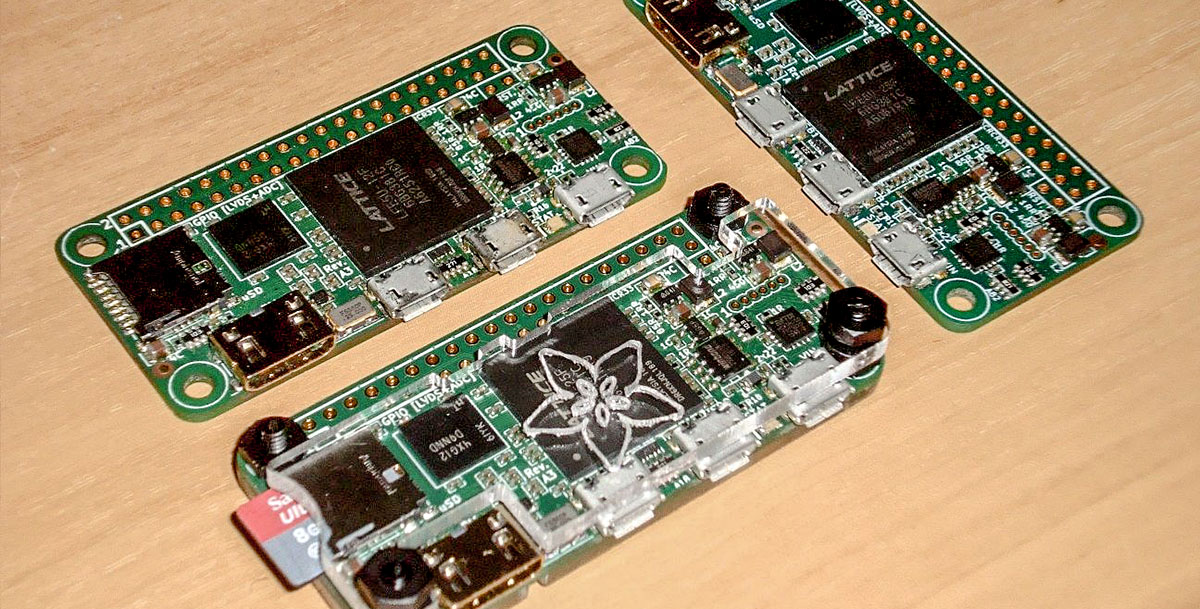
Previously, I wrote a FleaFPGA Introduction. This board was about the size of an Arduino Uno with some GPIO pins, a VGA, USB, SD Card, PS2 Style Port, and a USB Host connector. At …
Read MoreOp amps are one of the most versatile ICs in electronics. A purely analog device, they can be used for amplification, summing, integration, and a whole host of other circuits. …
Read More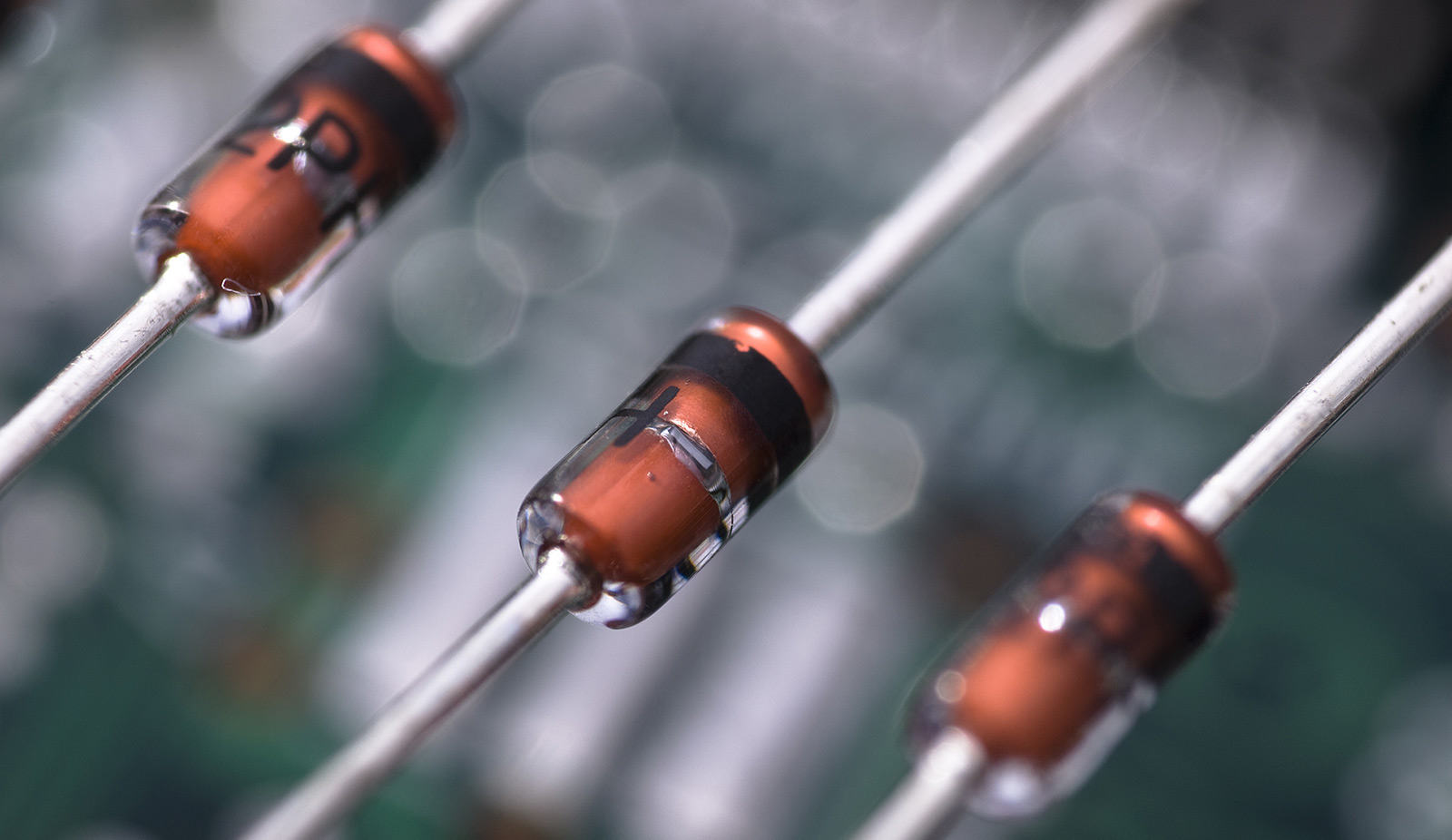
The Zener diode is often used to create a reference voltage. In tutorials and even college texts, there are mentions of creating a Zener diode based regulator. The idea is that the …
Read More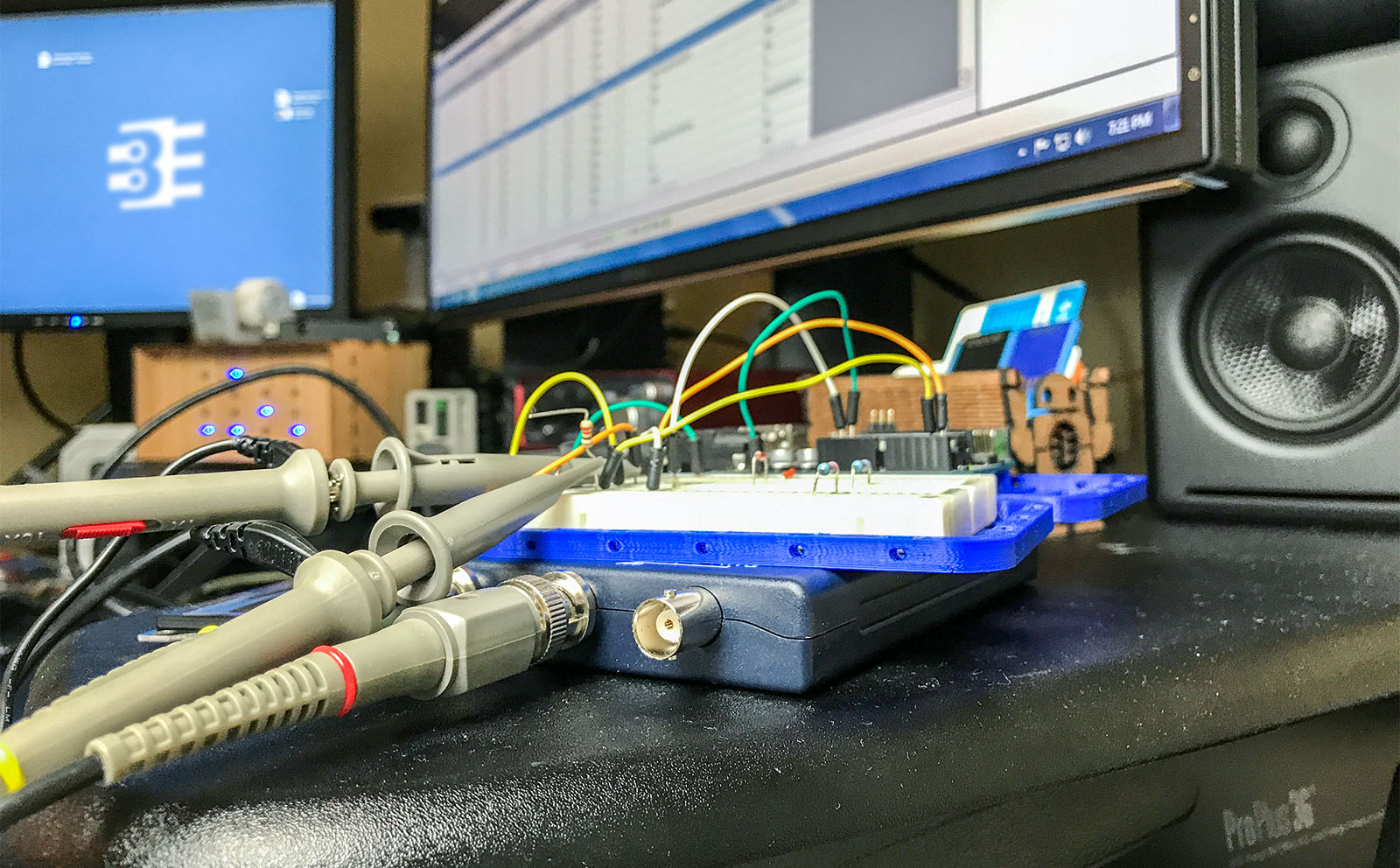
If you need a reason to be an Element 14 member, let me suggest their Road Test program. Companies partner with Element14 to get people to try out their gear. A couple of years ago …
Read More
Hey Newsletter Readers: Looking for Best Resistor Sorting Method? My Bad! Here are some ideas of what you can do with the humble voltage divider. This elementary circuit has a few …
Read More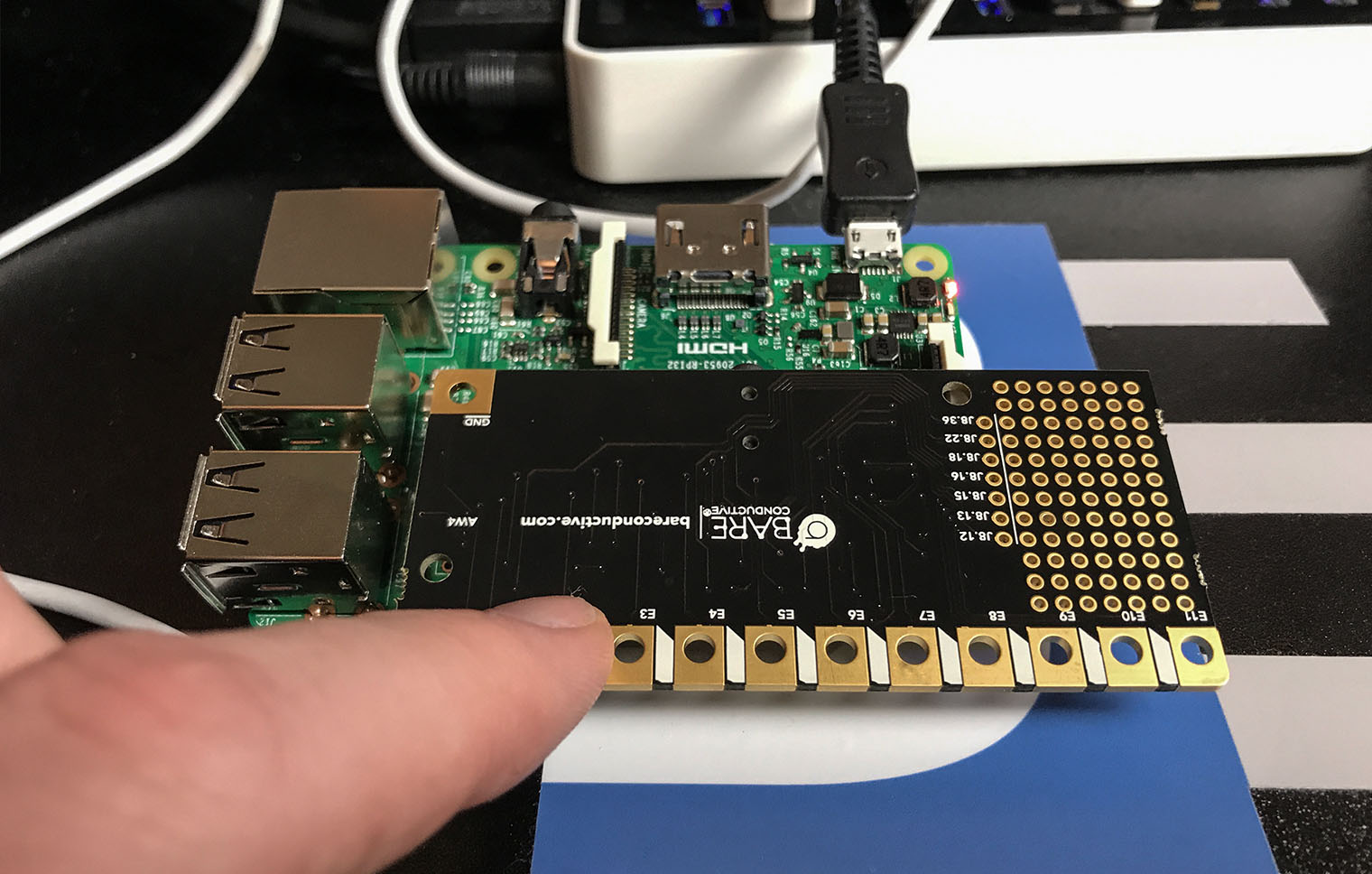
The Pi Cap adds capacitive touch buttons to your Raspberry Pi. Bare Conductive was kind enough to send me one. I do not have a project in mind right now, so here are my first …
Read More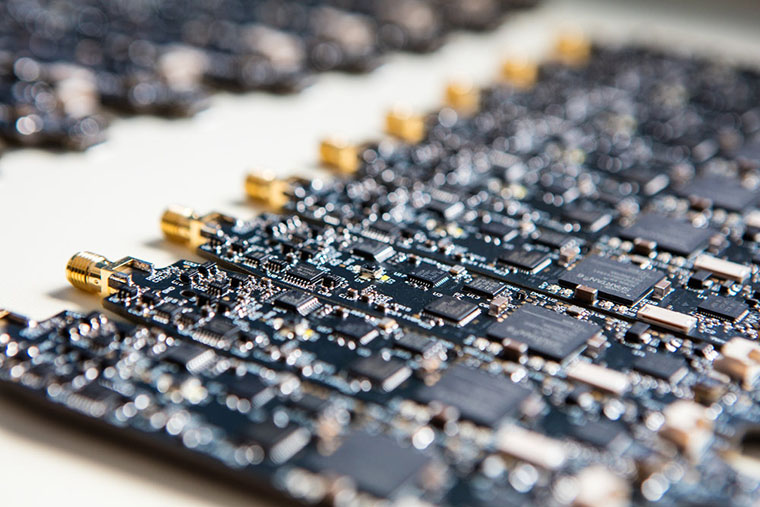
Previously, I reviewed the smartphone DMM, Mooshimeter. It is a great meter. One feature I didn’t spend much time on in my review was the ability to graph. Some see it as an …
Read More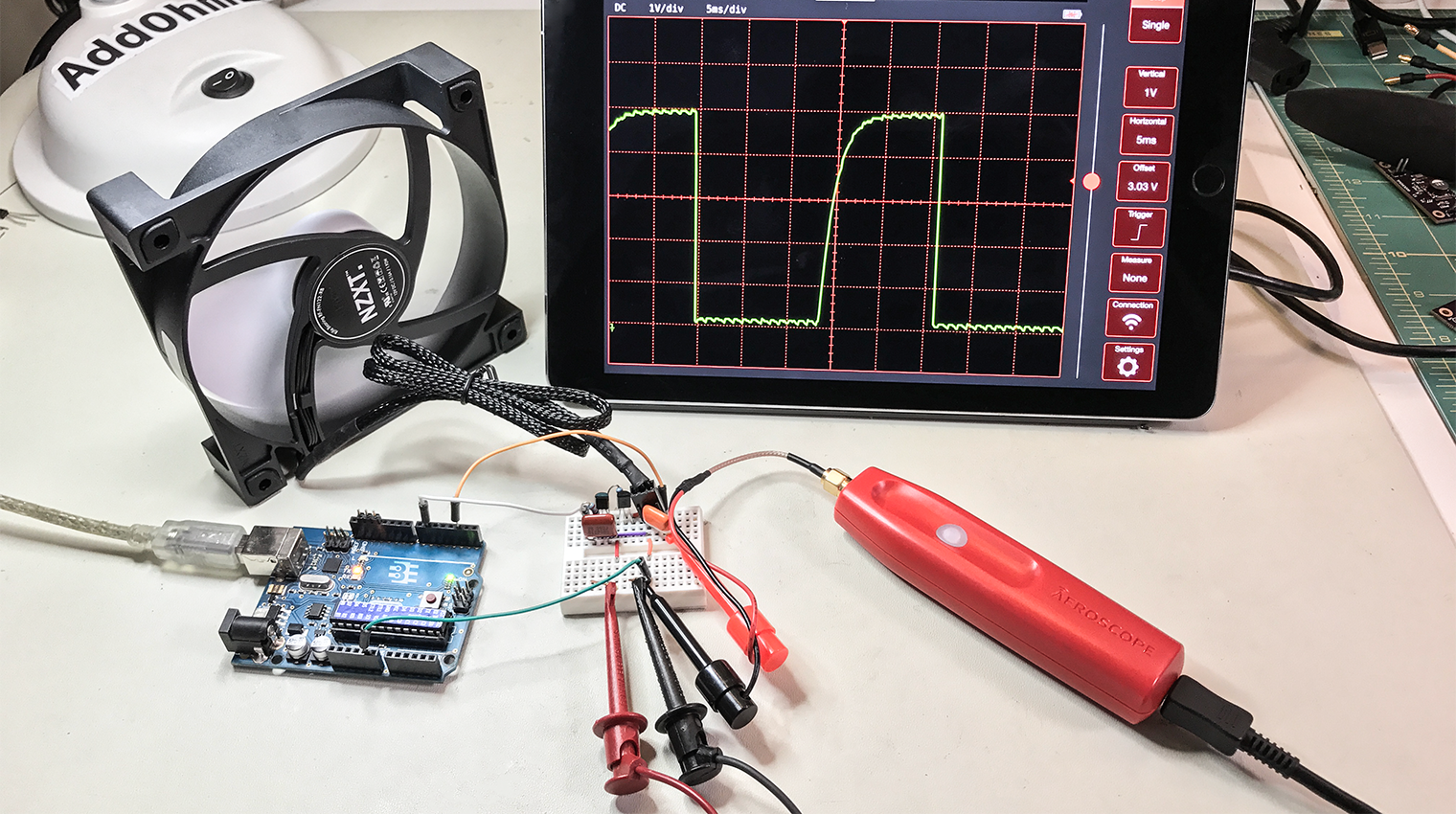
A question came up on IRC regarding how to PWM a 3-pin PC fan with an Arduino using analogWrite(). Controlling the fan was seemingly straightforward. The problem was that the hall …
Read More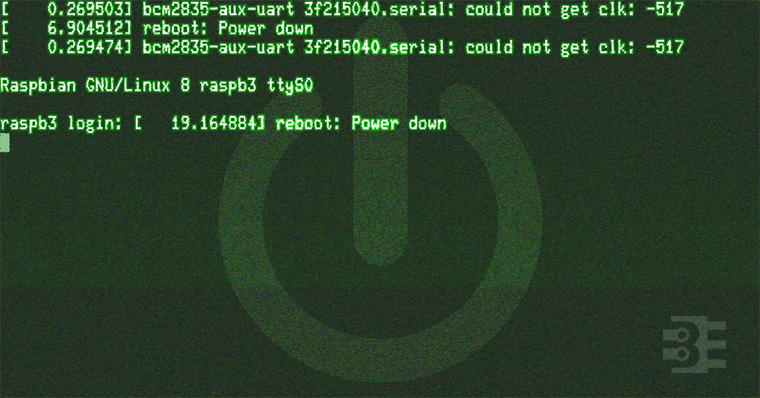
The last couple of weeks I have been making progress and posts on my RetroPie build. I’m putting a Raspberry Pi inside of an actual SNES (well Super Famicom). Part 1 covered the …
Read More